Cashmere Blankets Wholesale: The Complete 2026/27 B2B Sourcing Guide
- Share
- publisher
- Ewsca Cashmere
- Issue Time
- Aug 31,2026
Summary
The complete 2026/27 B2B sourcing guide to cashmere blankets wholesale: fiber micron and GSM grading, MOQ and price tiers, certifications to demand, and a five-step factory vetting checklist, from a 20-year Inner Mongolia cashmere manufacturer.
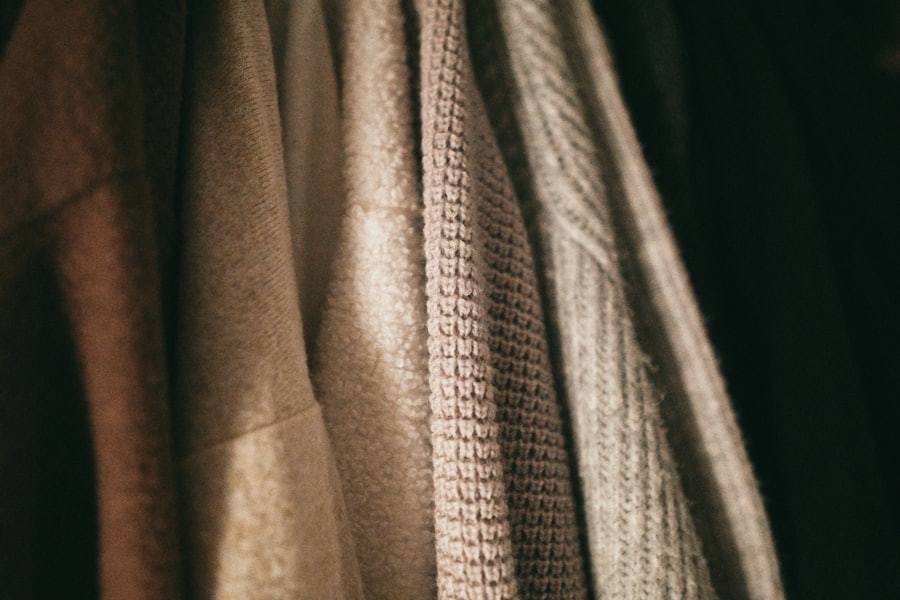
If you are a boutique buyer, hospitality procurement manager, or private-label founder planning your 2026/27 autumn-winter program, this cashmere blankets wholesale guide is written for you. It consolidates what we have learned from more than 20 years of manufacturing and exporting cashmere knitwear and home textiles from Inner Mongolia: how fiber grading drives price, what MOQ and lead times to expect, which certifications to demand, and how to vet a factory before you place the first bulk order.
Cashmere blankets are one of the fastest-moving categories in the premium home segment. Global demand for cashmere accessories and blankets is projected to grow from roughly USD 2.5 billion in 2023 to USD 4.3 billion by 2032, a compound annual growth rate of about 6.2%. Search interest follows a reliable seasonal curve: it begins climbing in late August, when B2B buyers start stocking for Q4, and peaks in December. That makes early autumn the most important ordering window of the year.
Get a Blanket Quote Within 24 Hours
Why Cashmere Blankets Wholesale Is a Smart Category for 2026/27
Blankets and throws behave differently from knitwear in a wholesale assortment. They are one-size items with no size-curve risk, they carry universal gifting appeal in Q4, and their price-per-gram economics make them one of the most accessible entry points into genuine 100% cashmere. Retailers who start with blankets and throws often expand into matching cashmere home accessories and knitwear in the following season, because the same fiber story carries across categories.
Predictable Seasonal Demand
Wholesale searches for cashmere blankets and throws rise steadily from August through November. Buyers who lock production in late August avoid the October capacity crunch and peak-season freight rates.
Gifting and Hospitality Channels
A throw is a proven gift SKU for boutique retail, corporate gifting, and hotel amenity programs, which widens your resale channels beyond apparel-focused stores.
Compatible Sustainability Story
Natural, long-lasting fiber with traceable origin answers the eco-conscious questions that EU and US retail buyers now ask in every category review.
Fiber Quality: The Three Numbers That Decide Price
When comparing cashmere blankets wholesale quotations, three technical numbers explain almost every price gap between suppliers. Ask each factory to state them in writing, backed by an independent fiber test report.
Micron Count (Fiber Diameter)
Grade A cashmere is finer than 15.5 microns and feels noticeably softer against the neck. Grade B runs 15.5 to 16.5 microns. Above that, a blanket may still carry a cashmere label but will feel closer to fine merino. The finest Inner Mongolian lots sit at or below 15 microns.
Staple Length
Longer fibers, typically 34 to 36 mm, produce less pilling and survive industrial laundering far better than short-staple fiber below 28 mm. Staple length is the single best predictor of how a blanket looks after two winters of use.
Weight and GSM
Blanket weight is quoted in total grams or GSM. A 300 to 400 GSM throw is a lightweight travel or gifting item; 500 GSM and above reads as a premium bed or sofa blanket. Higher GSM needs more raw fiber per unit, so weight moves price almost linearly.
Construction: Woven or Knitted
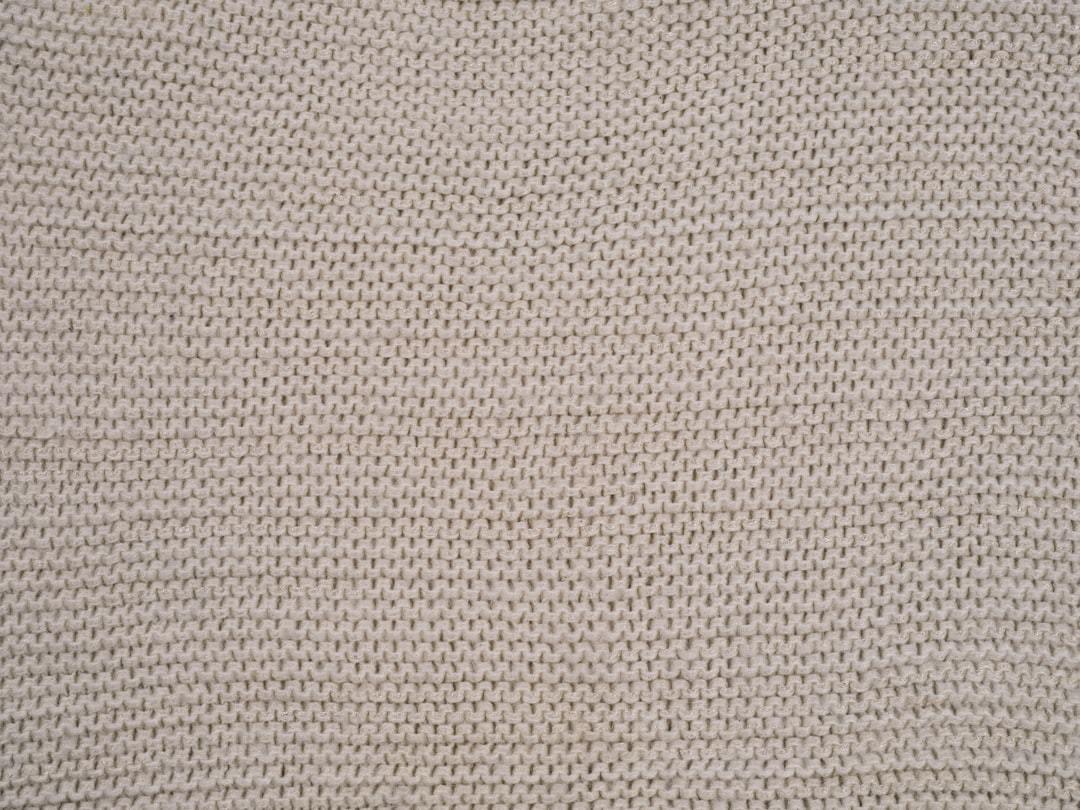
Woven blankets hold crisp patterns and a denser drape, while knitted throws stretch, breathe, and suit relaxed home styling. Knitted construction also allows the same factory to offer matching sweaters and accessories from one yarn lot, keeping color continuity across your whole program.
MOQ, Pricing Tiers, and Order Strategy
Minimum order quantities in this category vary by supplier type: small workshops often work from 50 to 100 pieces, mid-sized factories from 200 to 500, and large mills may require 1,000 or more per style or color. Volume discounts typically start at 2 to 5 percent around the 300-piece level and can reach 10 to 15 percent above 1,000 pieces.
A practical strategy for a first season is to keep the number of styles small and let color do the merchandising work. Confirm in writing whether the MOQ applies per style, per colorway, or per total order, because a three-colorway capsule can triple your real commitment if the minimum is set per color. At Ewsca we hold MOQ at 100 pieces per style or color, which lets newer brands test a cashmere blankets wholesale program without betting an entire season's cash flow on unproven SKUs.
| Order Size | Typical Discount | Best Suited For |
|---|---|---|
| 100 to 300 pcs | 2 to 5 percent | New brands testing the category |
| 300 to 1,000 pcs | 5 to 10 percent | Boutiques and gifting programs scaling winners |
| 1,000+ pcs | 10 to 15 percent | Retail chains and hospitality groups |
Certifications and Compliance: What to Demand From Any Supplier
Selling into the EU, US, UK, or Japan means compliance is not optional. Before wiring a deposit, ask for current, verifiable certificates rather than scanned logos. The baseline set for cashmere home textiles should include the following, all of which we maintain at Ewsca alongside our knitwear program.
Oeko-Tex Standard 100
Confirms the finished blanket is free from restricted harmful substances, which is the first document EU retail buyers request.
BSCI or Equivalent Social Audit
Demonstrates factory working conditions meet international labor standards, increasingly a gate for department-store vendors.
Sustainable Fiber Standards (SFA)
Supports origin and herding claims for Mongolian cashmere, backing the traceability story your marketing team wants to tell.
Organic and Intertek Testing
Third-party lab verification of fiber content and composition protects you from cashmere-blend mislabeling, one of the most common disputes in this category.
How to Vet a Cashmere Blanket Factory in Five Steps
-
Request a fiber test report first
A reputable factory states micron count, staple length, and cashmere percentage with an independent lab certificate before any commercial discussion gets serious.
-
Order paid development samples
Photos cannot communicate hand-feel. Test a physical sample for softness, pilling after light friction, and recovery after stretching. Expect two revision rounds before bulk sign-off.
-
Audit the factory or commission a third-party audit
SGS or Bureau Veritas audits reveal machine condition, in-house finishing versus outsourced dyeing, and humidity control in the yarn store, all of which affect blanket consistency.
-
Clarify MOQ logic, payment, and trade terms in writing
Confirm whether minimums apply per style or per colorway, and align on PayPal for sampling, T/T or LC for bulk, and FOB, DDP, or LDP delivery terms.
-
Start with one capsule, then scale
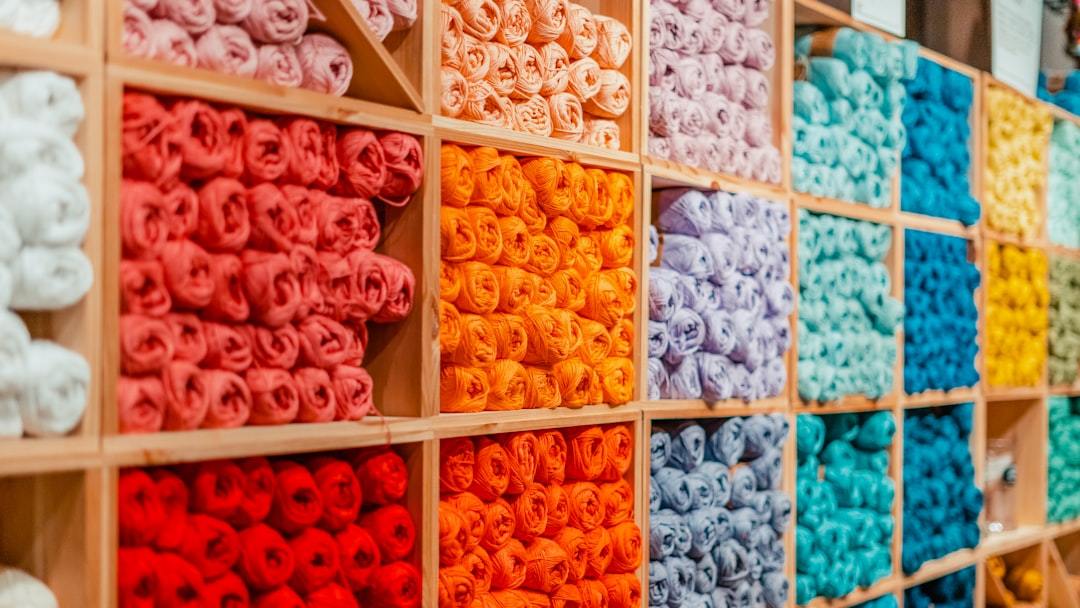
Begin with two or three blanket styles in your best-selling palette, verify sell-through, and expand into matching knitwear and accessories from the same factory for color continuity.
What Ewsca Brings to a Blankets Program
Ewsca is a designer and wholesale cashmere manufacturer founded on Italian design direction with production in China, serving brands across the EU, US, Australia, New Zealand, and Japan. Our program is built around the needs of growing labels rather than mega-chains: original seasonal design, more than 20 years of manufacturing experience, Inner Mongolian fiber specified at 15 microns and finer with a 36 mm staple, BSCI, Oeko-Tex, Intertek, SFA, and Organic EU certifications, 100-piece MOQ per style or color, roughly two-week production cycles from standing yarn inventory, and flexible payment and delivery terms including FOB, DDP, and LDP.
The same infrastructure that produces our cashmere home collection and seasonal knitwear runs blanket and throw development, so your program can start with home textiles and grow into apparel without changing suppliers, yarn standards, or QC teams.
Frequently Asked Questions
What is a realistic MOQ for cashmere blankets wholesale?
Small workshops may accept 50 to 100 pieces, mid-sized factories 200 to 500, and large mills 1,000 or more. At Ewsca the minimum is 100 pieces per style or color so newer brands can launch without overstock risk.
How long does production take?
When the factory keeps inventory yarn, as we do across more than 100 colors, a production cycle runs about two weeks. Custom dyeing or woven constructions with exclusive patterns add time for lab dips and loom setup, so plan Q4 orders for late August or September.
Woven or knitted: which sells better?
Woven blankets suit classic, pattern-driven retail and hospitality; knitted throws fit contemporary home styling and travel gifting. Knitted construction also lets you extend the same yarn into matching accessories, which strengthens a capsule's margins.
How do I verify a blanket is really 100% cashmere?
Demand an independent fiber composition report stating cashmere percentage, micron count, and origin, then cross-check with an Intertek or SGS test on the bulk shipment before it leaves the factory.
Start Your 2026/27 Blanket Program Now
August is when B2B buyers lock capacity for the Q4 season. Send us your target styles, weights, and colors, and our team will reply with fiber specifications, pricing tiers, and a sampling plan within 24 hours.
Prefer to meet in person? You can also find us at TexWorld in New York each February and July, and in Paris each March and August. Read more sourcing insights on our blog.