Baby Cashmere Wholesale: Why the World's Softest Fiber Commands Premium Margins
- Share
- publisher
- Ewsca Cashmere
- Issue Time
- Sep 1,2026
Summary
Why the world's softest fiber commands premium margins: what baby cashmere really is (13-15.5 micron first-harvest kid fiber), why supply is under 50 tonnes a year, how to verify genuine baby cashmere, and what wholesale buyers should prepare for the 2026/27 season — from a 20-year Inner Mongolia cashmere manufacturer.
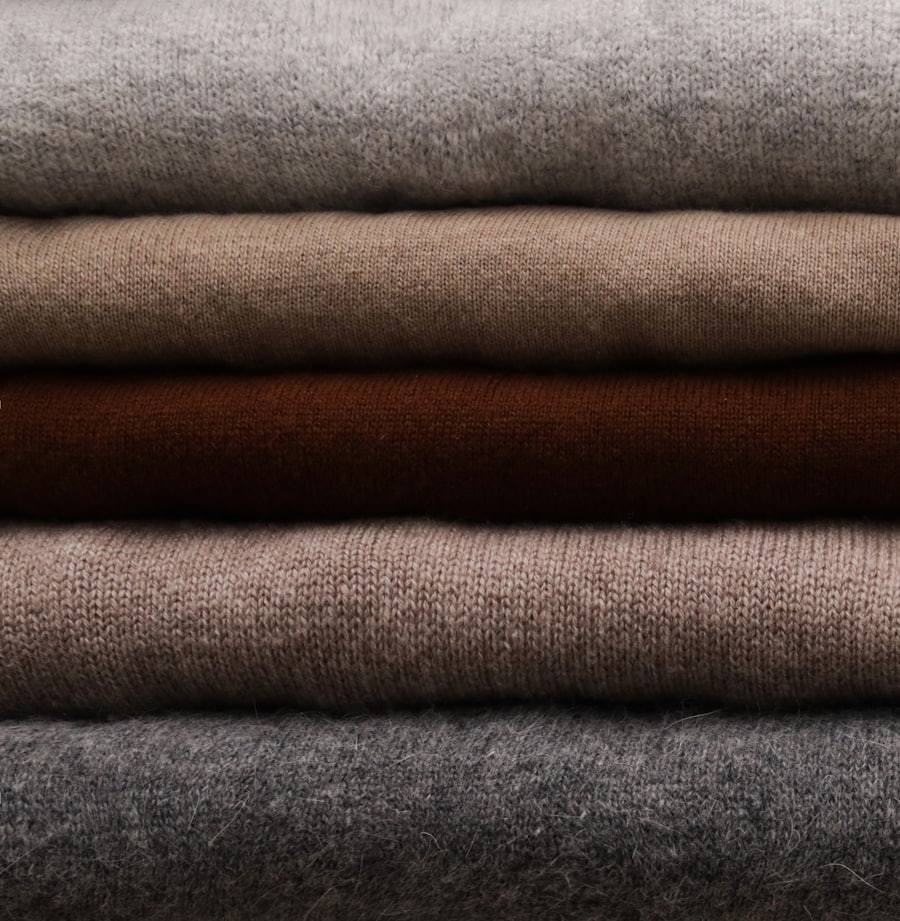
Baby cashmere is the rarest natural fiber sold commercially today — harvested once, from kid goats under one year old, at just 13–15.5 microns. For a wholesale buyer, understanding this single fiber is the fastest route to a premium shelf position in the 2026/27 autumn season.
When buyers search for baby cashmere wholesale, they are not looking for another "100% cashmere" label. They are looking for a story their competitors cannot copy: a fiber so scarce that roughly twenty kid goats produce enough yarn for a single sweater. This guide explains what baby cashmere actually is, why it holds a premium position above adult cashmere, how to verify that what you are quoted is genuine, and how to plan a wholesale capsule for the coming season. Ewsca has been manufacturing cashmere knitwear in Inner Mongolia for over 20 years — everything below is written from the factory floor, not from a marketing deck.
What exactly is baby cashmere?
Baby cashmere is the undercoat combed from a Capra hircus kid goat between 6 and 12 months of age, during its first spring moult. It is the softest, finest fleece the animal will ever grow — after the first year the fiber coarsens and becomes standard cashmere. The combing is done by hand during the natural seasonal shed, which is painless and does not harm the animal — a key point for the ethical-certification questions buyers will face.
| Metric | Baby cashmere | Adult cashmere | Merino wool |
|---|---|---|---|
| Fiber diameter | 13–15.5 μm | 15–19 μm | 17–23 μm |
| Yield per animal / year | 30–80 g usable | 150–250 g usable | 3–6 kg |
| Harvests per lifetime | One | Every spring | Every year |
| Warmth-to-weight ratio | Ultra-light, hollow-core insulation | Very light | Heavier, bulkier |
| Hand feel | Silk-like, no prickle | Soft, slight prickle | Warm, more prickle |
To feel the difference, put a baby cashmere sample and an adult cashmere sample against the inside of your wrist. The baby cashmere grade is so fine that it is frequently compared to vicuña — the only commercial fiber consistently finer — while standard cashmere sits one full grade below.
Why "one harvest per lifetime" changes your positioning
Scarcity is not a marketing angle for baby cashmere; it is arithmetic. A kid goat produces roughly 30–80 grams of usable down once. A typical adult goat produces 150–250 grams every year. At 30 grams per animal, a single baby cashmere sweater consumes the lifetime output of up to twenty animals. Global baby cashmere production is concentrated in the grasslands of western Inner Mongolia and totals under 50 tonnes per year — a fraction of the roughly 25,000 tonnes of global cashmere output.
Premium retail demand
The luxury knitwear market was valued at USD 2.37 billion in Europe alone in 2025, and the children’s luxury segment — where baby cashmere blends lead — is growing at the fastest CAGR of any end-user segment (6.9% to 2034).
Certified sustainability pays
Certified sustainable cashmere production grew 34% between 2022 and 2025, and verified items command a measurable retail premium. Baby cashmere with traceable, humane combing is the cleanest story a buyer can carry into a retail meeting.
The provenance factor: why Inner Mongolia wins
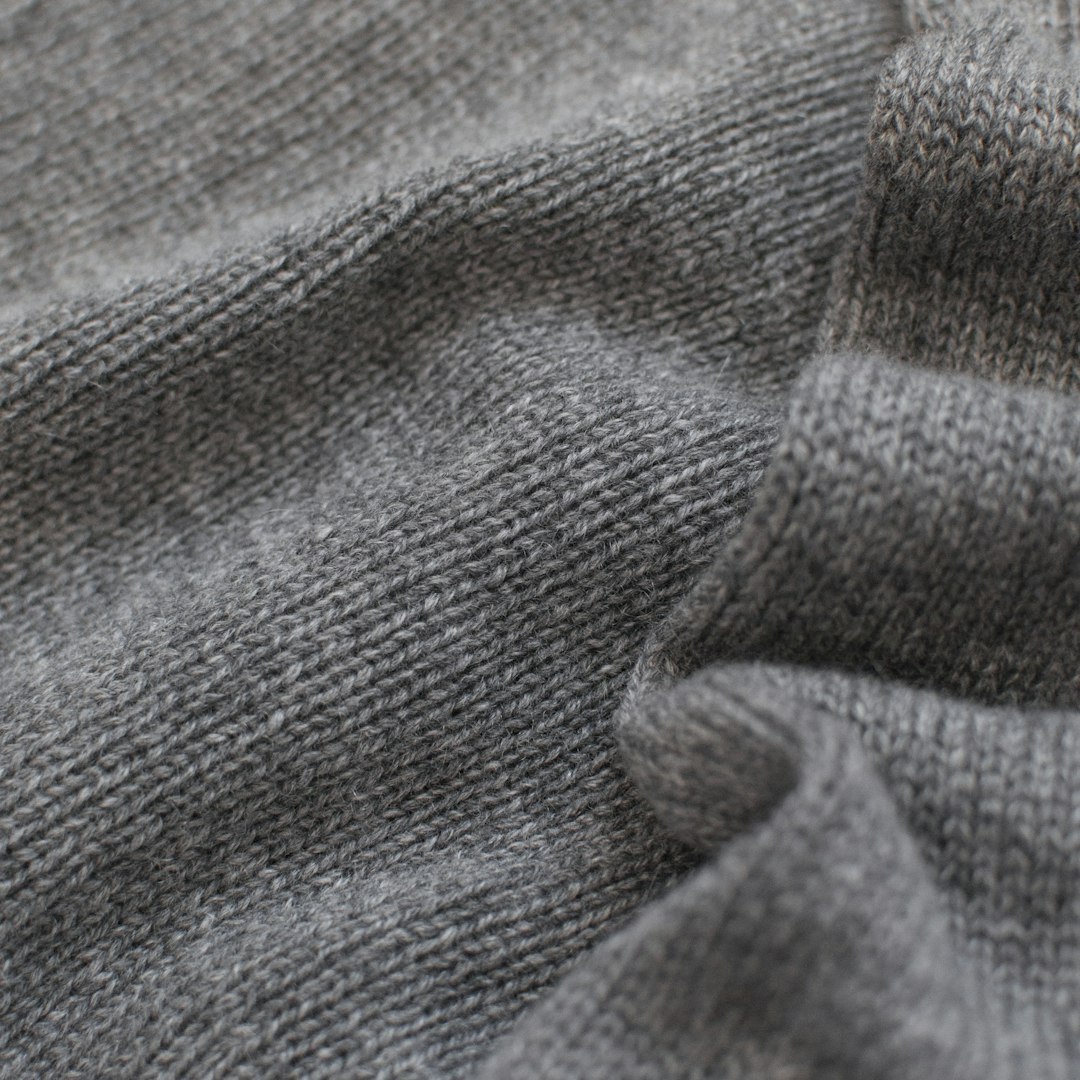
Not all baby cashmere is equal. The finest commercial grades come from the high-altitude desert plateau of Alashan / western Inner Mongolia, where long, harsh winters force kid goats to grow a denser, finer undercoat to survive. Fiber from this terroir typically measures 13–15 μm with excellent length uniformity — the combination that allows the yarn to be spun soft and stable enough for wholesale production. It is the same region Ewsca sources from, and the reason our standard cashmere program holds a 15 μm / 36 mm specification rather than the looser industry average.
Provenance is a legal risk too. In the EU and US, "cashmere" claims are audited under fiber-content regulations. If you resell mislabeled product as baby cashmere, the liability sits with you, the importer. Verify — then verify again. The five checks below are the same ones our own QC team runs on every inbound lot.
How to verify a true baby cashmere quote (5 checks)
Photos and digital samples prove nothing. Run these checks before committing to any baby cashmere wholesale order:
-
Demand a lab fiber-diameter certificate
Insist on an independent lab report showing average diameter 13–15.5 μm, down content ≥ 95%, and kemp content below 0.5%. A factory that genuinely processes baby cashmere has this on file for every lot — ask to see the batch-specific report, not a generic brochure.
-
Touch the paid development sample
Order a physical sample and feel it against the wrist. Baby cashmere has a silk-like hand that is unmistakable next to adult cashmere. Also test pilling under light friction and recovery after stretch. Two revision rounds before bulk sign-off is normal.
-
Audit the supply chain, or ask who audited it
Ask for BSCI, Oeko-Tex, SFA (Sustainable Fibre Alliance), or third-party audit evidence covering the combing region and the mill. Traceability to a named herding cooperative in Inner Mongolia is the single strongest signal of a real baby cashmere program.
-
Check the yarn count and gauge spec
True baby cashmere is usually spun fine — expect yarn counts such as 2/28 Nm or finer, knit at 12–14 gauge for garments. If a supplier proposes only coarse counts (2/26 Nm and below) typical of adult cashmere, the "baby" claim deserves a second look.
-
Start with one capsule style
Begin with one or two styles in your best-selling palette, verify sell-through, then scale into matching knitwear and accessories from the same factory so colors and hand-feel stay consistent across your range.
Wholesale planning: what to prepare for the 2026/27 season
Here is what the commercial picture actually looks like for a wholesale buyer planning an autumn capsule:
| Planning item | Typical spec (2026) | Notes |
|---|---|---|
| Baby cashmere yarn | 13–15.5 μm, ≥95% down | Batch-specific lab certificate required |
| Spun fine, soft hand | 2/28 Nm or finer, 12–14 gauge | Silk-like hand, no prickle |
| MOQ per style / color | 100 pcs (factory yarns) | At Ewsca; blends reduce MOQ |
| Production lead time | 2–4 weeks | Bulk after sample sign-off |
| Certification | Oeko-Tex / SFA / lab fiber report | Evidence for your own claims |
Because baby cashmere is an exclusive fiber, smart buyers mix it: a pure baby cashmere hero style for the front of the collection, standard cashmere for volume styles, and a baby-cashmere-blend option as a softer entry position. A factory with flexible yarn inventory — like the 100-colour cashmere and blend yarn stock we hold at Ewsca — makes this mix possible without long yarn lead times.
Buyer FAQ
Is "baby cashmere" a brand name? The term is often associated with Loro Piana's famous program, but it describes a real fiber grade (first-harvest kid cashmere at 13–15.5 μm). Verify by certificate, not by label.
Is harvesting ethical? Yes, when done correctly — the undercoat is hand-combed during the natural spring shed and the animal is unharmed. Ask suppliers for SFA / traceability evidence to protect your brand story.
Will it pill less than standard cashmere? Generally yes — longer, finer, more uniform fiber pills less. Correct gauge and finishing matter too, which is why factory experience shows up in the final garment.
Can I combine baby cashmere with a kids’ capsule? Absolutely — the children’s luxury knitwear segment is the fastest-growing end-user segment in the market, and baby cashmere is its hero fiber.