Cashmere Sweaters Wholesale: A 2026 Sourcing Guide
- Share
- Issue Time
- Sep 10,2026
Summary
2026 sourcing guide for wholesale cashmere sweaters: the market outlook, the five forces reshaping the line sheet, the fiber and gauge specs that prevent costly reorders, how to build a sweater assortment, and the supplier-tier and trust checks to run before you sign. Backed by two decades of cashmere knitwear production.
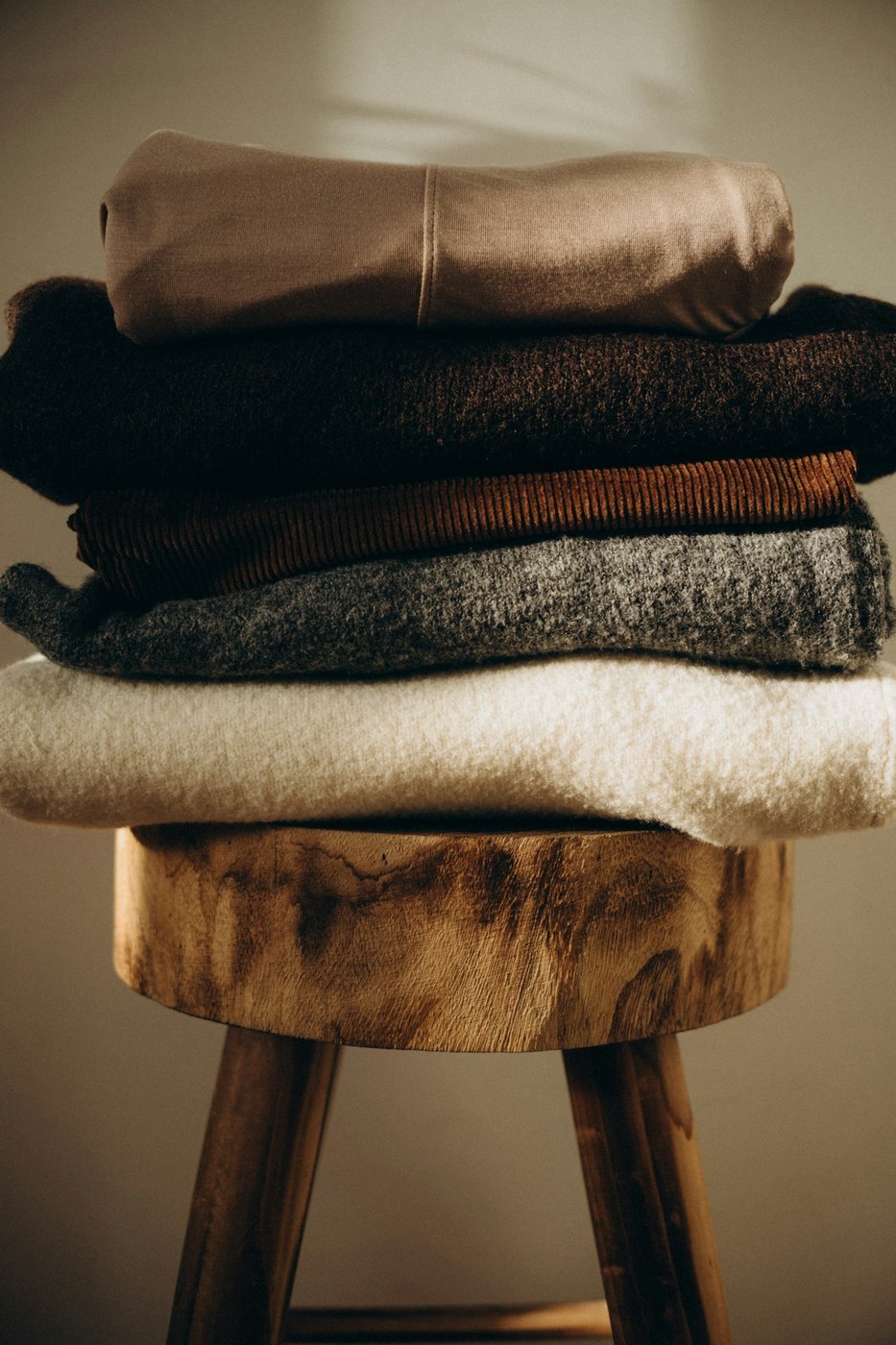
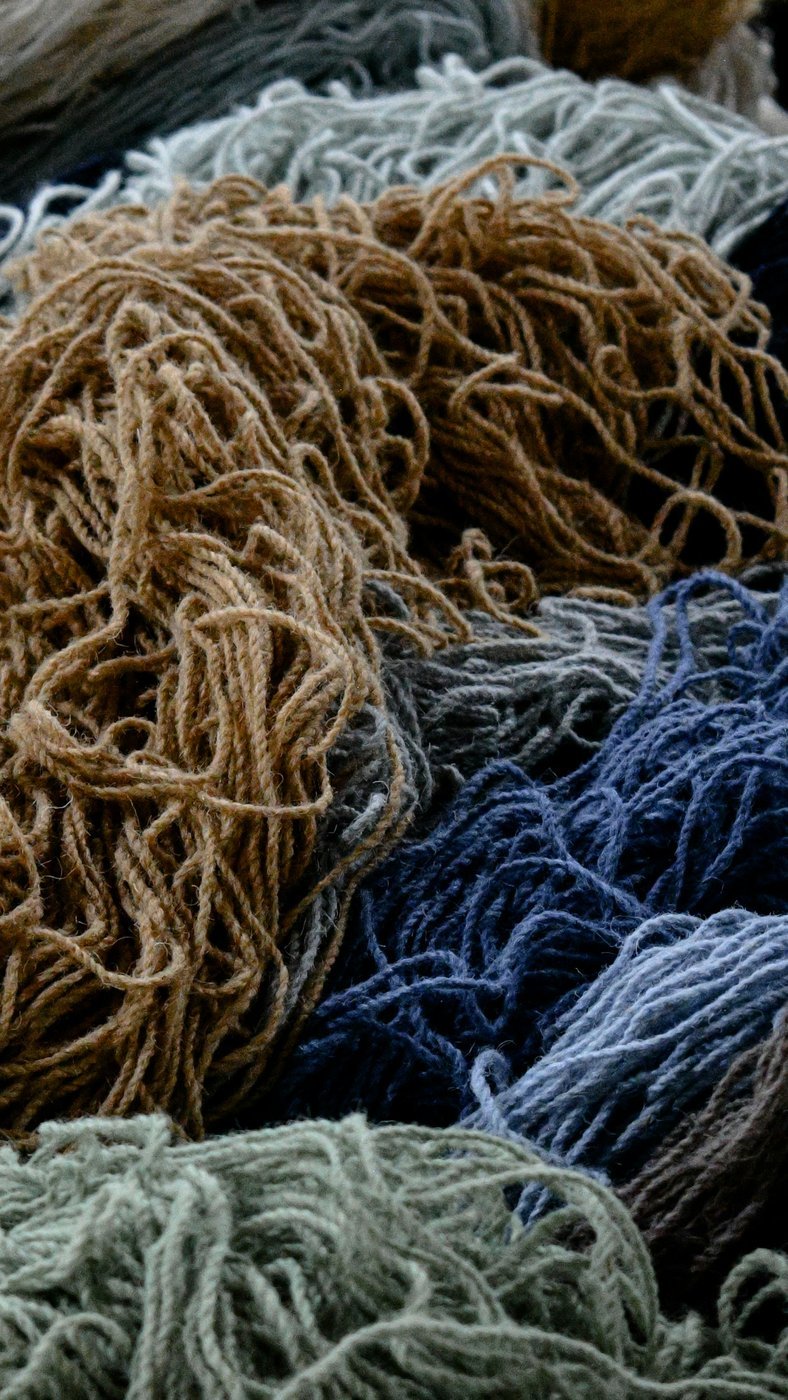
Every season opens with the same question in a wholesale buyer's inbox: "Which sweater should we lead with this fall?" In 2026 the honest answer is that the cashmere sweater is no longer one product — it is an entire program, and the brand that wins the shelf is the one that specs it correctly before the first sample is knit. This guide distils two decades of cashmere knitwear production into the spec framework, the 2026 silhouette direction, and the supplier questions that separate a smooth reorder from an expensive mistake. The global cashmere sweater market is set on a clear upward track — roughly USD 3.4 billion in 2025, projected to about USD 4.8 billion by 2032 at a CAGR of 4.8% [source: PW Consulting, 2026]. Within the broader adult cashmere category, sweaters and cardigans are the largest revenue product type — ahead of coats and accessories — with women's cashmere leading demand [source: PW Consulting]. The supply picture is concentrated: China and Pakistan together produce the large majority of raw cashmere, with Inner Mongolia supplying a significant share of the world's fibre. On the demand side, the United States, Germany, and South Korea lead retail. The practical implication for a wholesale buyer is blunt: the fibre and the factory are concentrated in one place, and the relationship between brand and supplier is the real differentiator. Retailer-facing trend reports point to five structural shifts that should shape any 2026 cashmere sweater buy [source: CH Cashmere, 2026]. None are fashion fads; all change how you write a purchase order. Most spec sheets we receive read "100% cashmere" and stop. That is enough to clear customs; it is not enough to guarantee that two reorders feel identical in the buyer's hand. The numbers that drive consistency are these: For a commercial wholesale program, 2-ply at 12 GG is the baseline that balances cost, softness, and durability. Our Easy Care crewneck and men's multi-colour style are both built at 12 GG on 2/26 Nm yarn. The 2026 assortment is best planned as a small set of silhouettes rather than a long SKU list. Four anchors cover most sell-through: "Cashmere sweater supplier" covers four quite different business models [source: WFS Cashmere]: The buyers who avoid bad deals ask for evidence, not adjectives. Before you place a bulk order, request: Ewsca backs its program with 20+ years in cashmere knitwear and certifications including BSCI, Oeko-Tex Standard 100, Intertek, SFA, and Organic EU — see the Good Cashmere Standard sweater collection and our Easy Care sweater collections. Q1. What is the minimum order quantity (MOQ) for wholesale cashmere sweaters? Q2. What fibre diameter should I specify for a premium sweater? Q3. 2-ply or 4-ply — which is better? Q4. How long does a custom order take? Q5. Which certifications should I look for?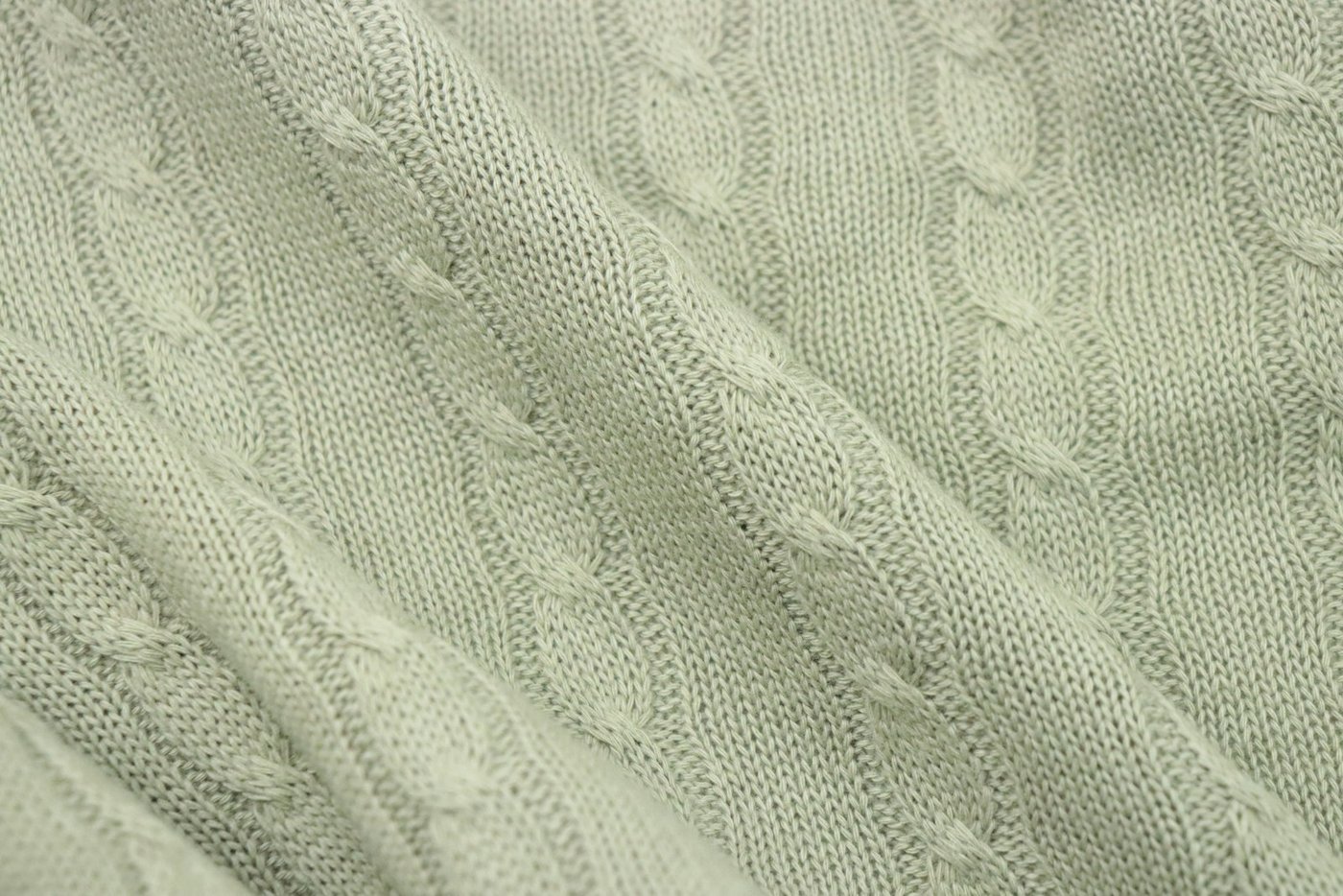
1. Why 2026 Matters for Cashmere Sweaters
2. Five Forces Reshaping the 2026 Line Sheet
3. The Specs That Prevent a Bad Reorder
Construction Gauge Weight feel Best use in a 2026 program 1-ply / fine 14–18 GG Lightweight Layerable spring pieces, dressier silhouettes 2-ply / standard 12 GG Mid-weight The volume core: crewnecks, cardigans, turtlenecks 2-ply / mid 7–12 GG Versatile Oversized and gender-neutral everyday fits 4-ply / chunky 3–7 GG Heavy, textured Statement pieces, outerwear-weight hero styles 4. Building the 2026 Sweater Assortment
5. The Supplier Tier
6. Questions to Ask Before You Sign
7. Wholesale Cashmere Sweater FAQ
For stock styles, Ewsca's MOQ is 100 pieces per style and colour. For fully custom development, MOQ is negotiated case by case — typically starting around 200–300 pieces per SKU to justify yarn-dye and sampling cost.
Grade A cashmere runs 14.5–15.5 microns. Anything above 16 microns feels noticeably less soft against the skin.
2-ply is the workhorse for most mid-range and premium sweaters: balanced softness, weight, and durability at a reasonable cost. 4-ply is heavier and chunkier — use it for statement pieces and outerwear-weight knits.
Sampling takes 7–10 days; bulk production typically adds another 3–4 weeks. Plan a 4–6 week total lead time from spec approval to ex-factory shipment for most custom sweater orders.
For chemical safety, Oeko-Tex Standard 100. For fibre origin and animal welfare, the Good Cashmere Standard (GCS). For social compliance, BSCI or SA8000. Ewsca holds BSCI, Oeko-Tex Standard 100, Intertek, SFA, and Organic EU certifications.