Cashmere Turtlenecks Wholesale: Why V-Necks Are Losing Winter 2026
- Share
- Issue Time
- Sep 17,2026
Summary
Wholesale cashmere turtlenecks in 2026: the category's own market numbers, why the neckline is taking share from V-necks, the fibre and construction thresholds that decide whether a rollneck survives a season, and how to build a tiered range across ratio, ply and gauge. Includes a testable spec sheet and a buy calendar.
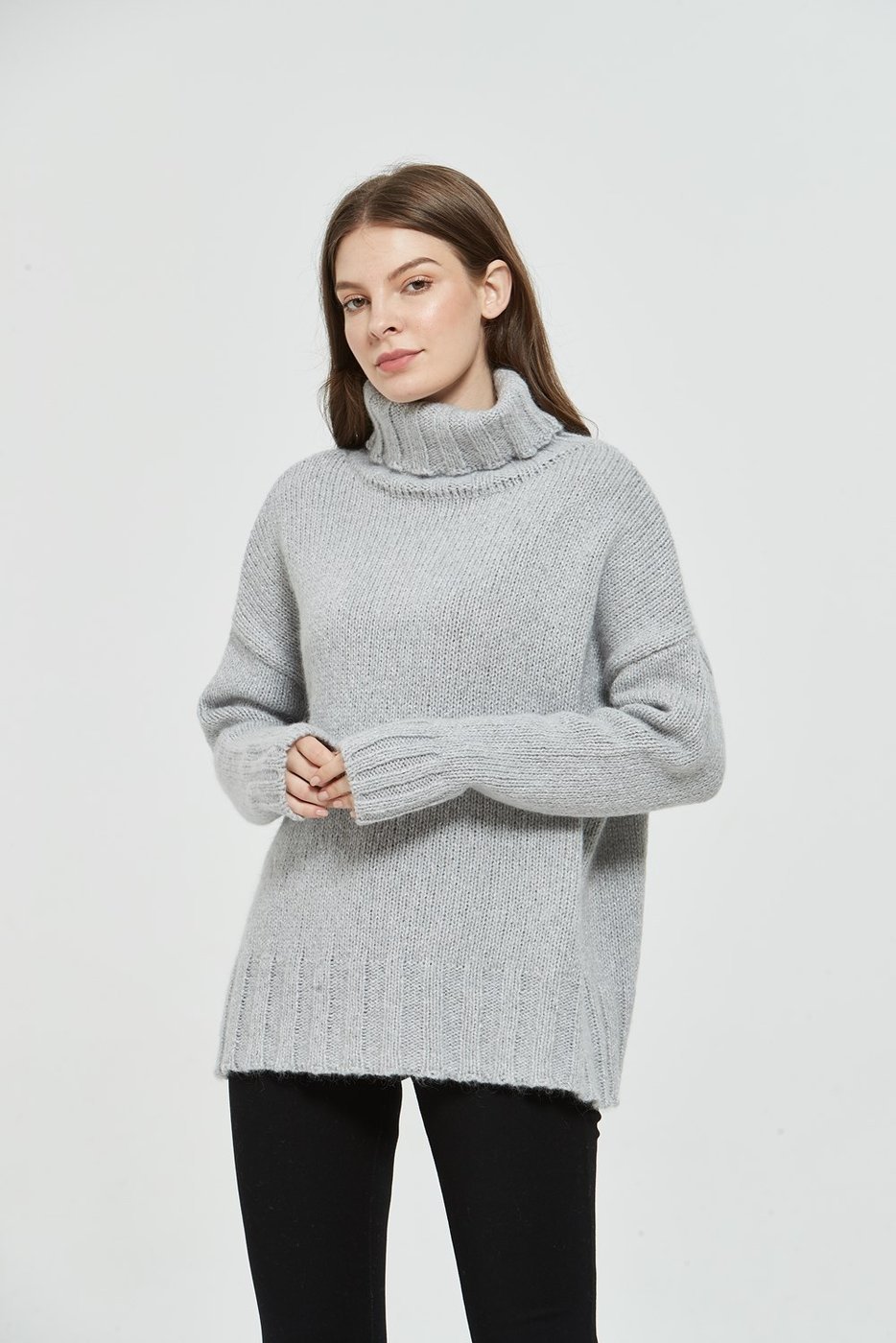
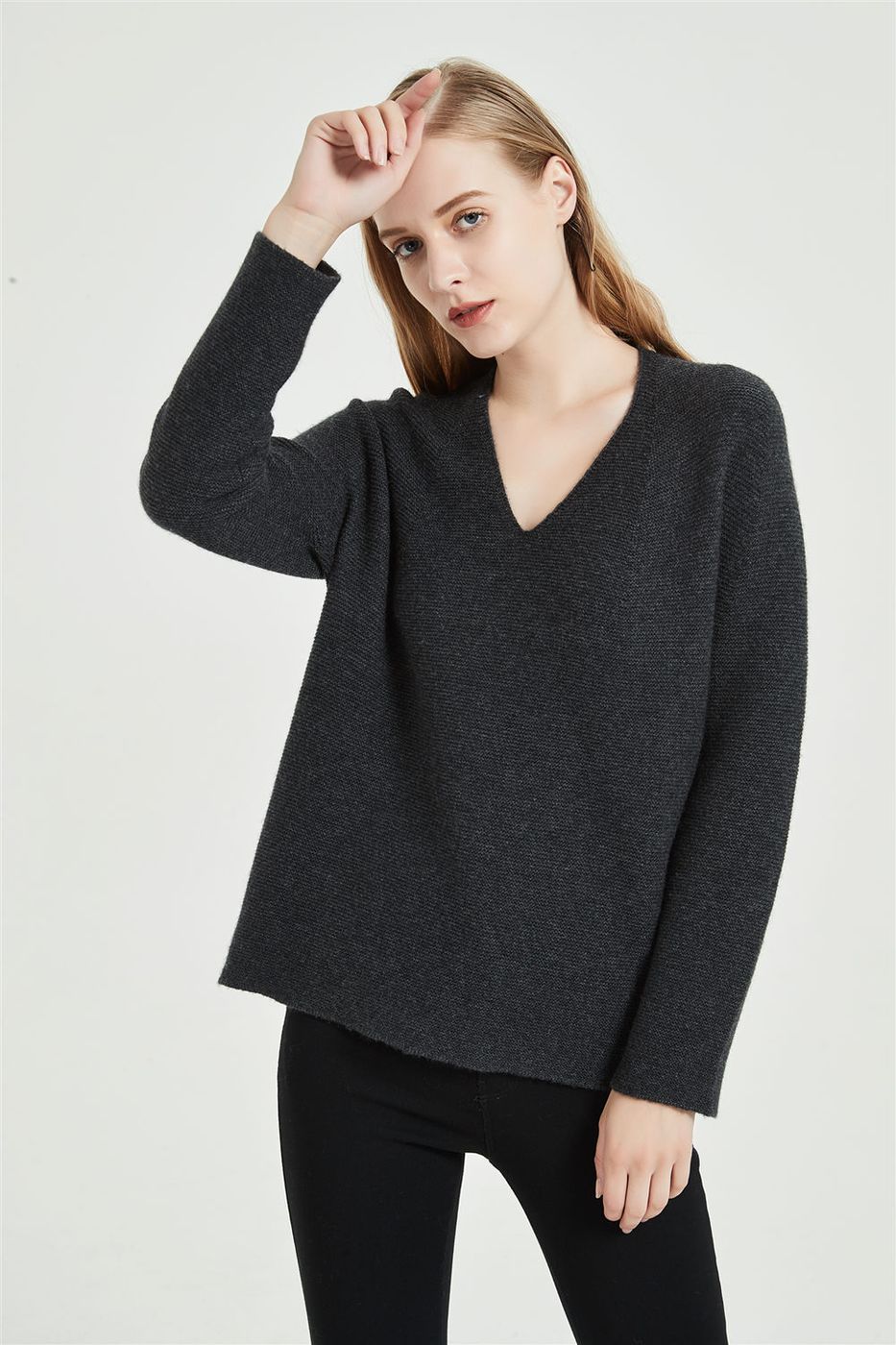
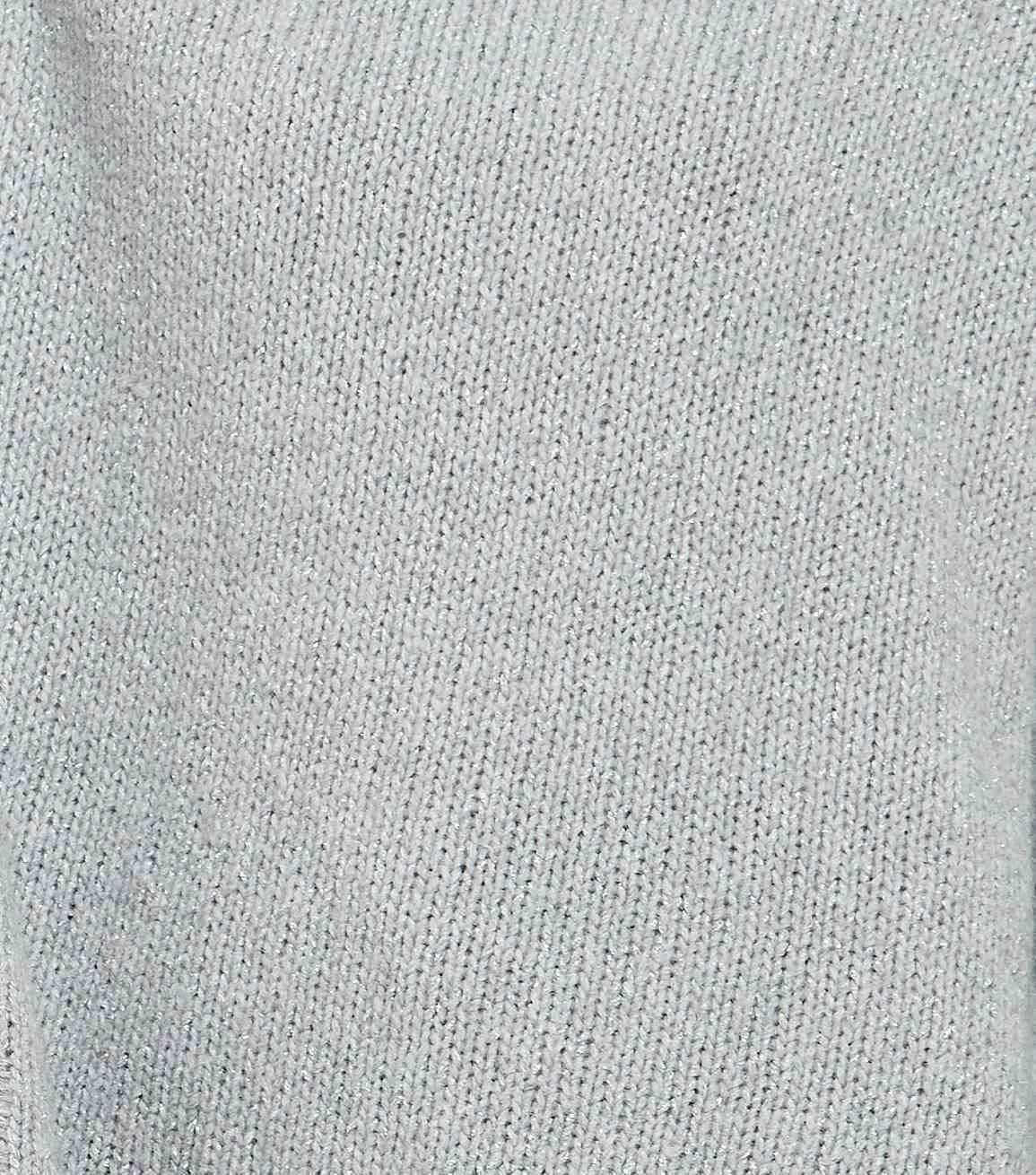
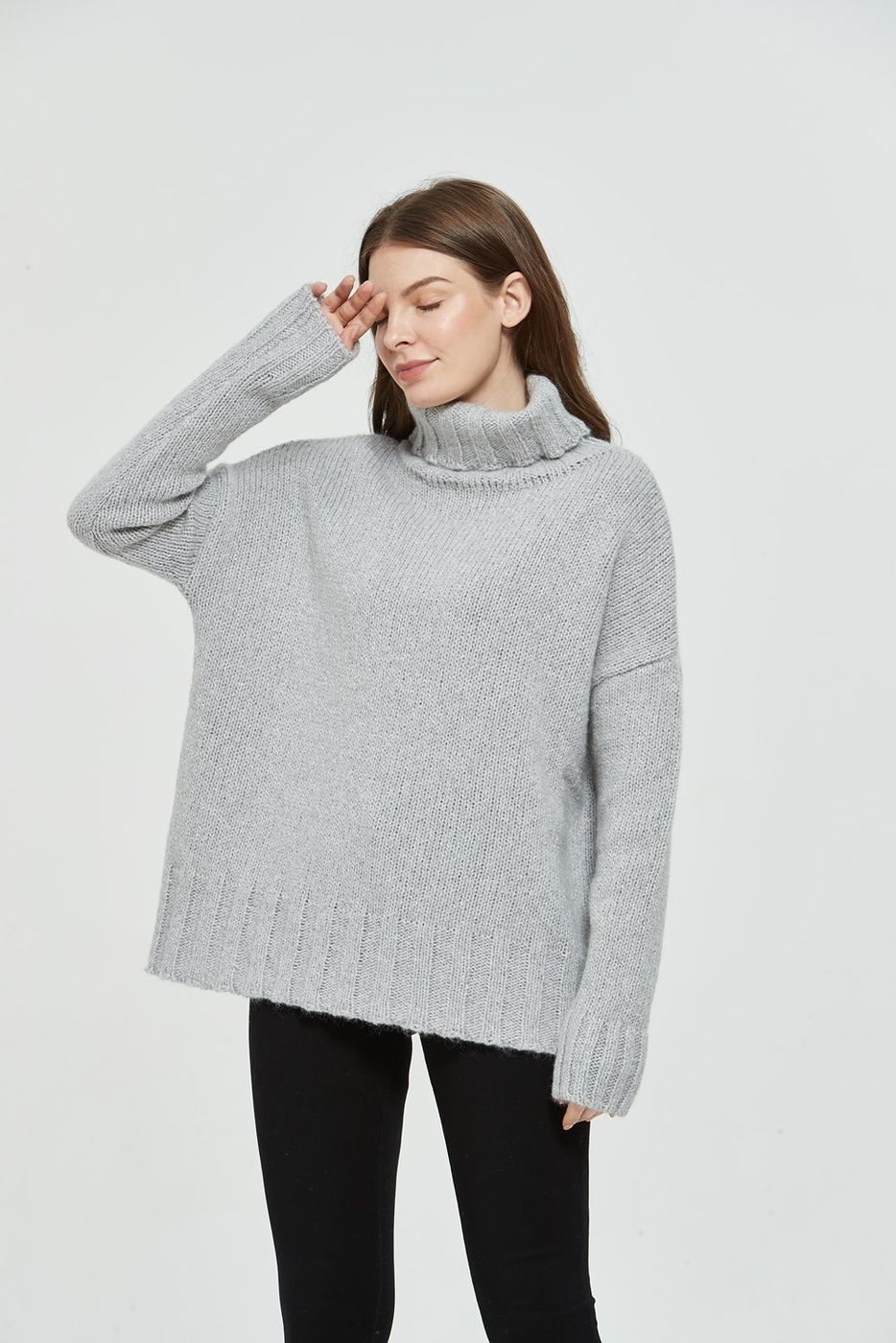
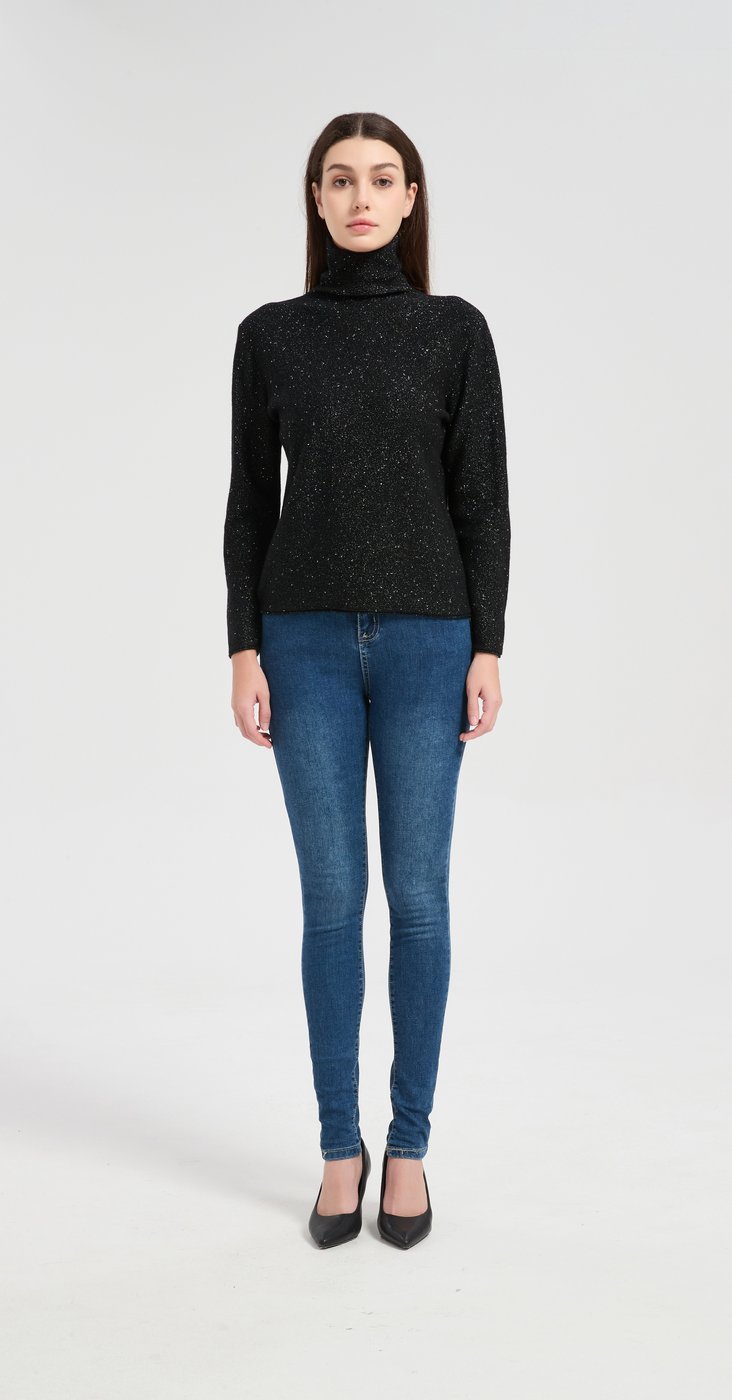
A turtleneck is the least forgiving garment in a cashmere range. A crew neck can hide a mediocre fibre behind a good wash and a clean seam; a rollneck cannot, because the collar sits against the throat and jaw all day, and a coarse fibre that a sweater body would disguise becomes the first thing the wearer notices. That is precisely why the neckline has become a useful filter for buyers — it exposes fibre grade, yarn evenness and finishing quality faster than any other style. This guide covers what the turtleneck category is doing in 2026, the fibre and construction thresholds that decide whether a rollneck survives a season, and how to build a tiered range that holds its shape through repeat orders. Most knitwear reporting lumps every neckline together. Turtlenecks are now tracked separately, and the numbers are worth planning against. The global turtleneck sweater market stood at USD 3.50 billion in 2025 and is projected to reach USD 4.99 billion by 2032, a compound annual growth rate of 5.2%, with 2026 forecast at USD 3.85 billion [source: PW Consulting, Turtleneck Sweater Market 2026–2032]. Two segment details matter more to a line sheet than the headline figure: The demand driver named in that research is worth quoting to a buying team, because it is not a fashion cycle: momentum was anchored by “the sustained popularity of quiet luxury” and a resurgence in demand for natural high-quality fibres such as merino and cashmere. A turtleneck is close to the purest expression of that brief — no print, no hardware, nothing to carry the design except the fibre and the neckline. Unit-level movement on the largest retail channel tells the same story. Between September 2025 and February 2026, average monthly sales for women's turtleneck knit sweaters rose from 1,438 to 5,502 units; men's slim-fit ribbed turtleneck pullovers from 541 to 3,625; and oversized women's batwing turtlenecks from 1,702 to 4,109. 2026 knitwear trend reporting is unusually direct on this point: “V-necks are cooling off. Shoppers are going for rollnecks and turtlenecks — they look more polished instantly,” with a lightweight turtleneck layered under a shirt or dress positioned as a better solution than adding accessories [source: JM Sweater, 2026 Online Sweater Trends]. The same report ranks materials for this style as cashmere first, then extra-fine merino, then cotton blends. The construction cues that report associates with a selling rollneck are specific enough to put straight into a tech pack: The broader industry read for 2026 supports a refined-classic direction rather than experimentation: the trend leans toward upgraded classic styles including tailored cardigans, slim turtlenecks and structured crew-neck sweaters, with high-precision jacquard and low-key geometric colour-blocking applied to keep them from looking flat [source: 2026 Global Knitwear Industry Report]. Notably, that same report advises against retiring every adjacent neckline — quarter-zip and polo collars are also the strongest single knitwear trend of 2026, with reported search growth of 132% for a cable-knit quarter-zip in the first quarter. The practical conclusion is a neckline ladder rather than a swap. Keep a V-neck and a crew neck in the range as the volume and entry tiers, then build the turtleneck as the premium and cold-weather tier where fibre quality is visible. The cashmere turtleneck pullover range and the men's cashmere sweaters line sit at exactly that point in a range, which is why they reward better fibre rather than more decoration. The most effective quality control tool available to a buyer is precision of language. Vague terms such as “superfine” or “premium” cannot be tested and cannot be enforced; a micron number can be written into a purchase contract and verified against a lab report [source: Onward Cashmere, micron verification guide]. Ewsca’s own production runs on Inner Mongolia fibre at 15 microns and a 36 mm staple — inside the Grade A window — so the fibre specification below is written from what the mill actually holds rather than from a template. A useful spec sheet for a wholesale turtleneck carries the following thresholds. Each one is testable, which is the point: Two verification habits close the loop. First, read the distribution and not the mean: a genuine fibre analysis report from an accredited laboratory carries average micron count, diameter distribution, fibre length and purity percentage, and a supplier who reports a mean but withholds the distribution is concealing something [source: Onward Cashmere]. Second, check certification dates rather than certification logos — a certificate that has not been audited in the last 12 months is a compliance exposure, not a credential, and it is the kind of exposure that surfaces as a rejected shipment rather than a conversation [source: Consinee]. Sample-room test that needs no equipment: hold the swatch up to a light. Fine cashmere is lightweight and semi-transparent; coarser fibre and blends read thick and opaque. Then scrunch a section in your fist and release — a good rollneck springs back with minimal creasing, while weak fibre structure holds the crease. Both checks take under a minute and catch the most common substitution. A turtleneck is efficient for a range build because the same silhouette can carry four different market tiers without the customer seeing a different design. A worked example, drawn from how Ewsca structures its own offering: On blends, the case is performance rather than substitution. Cashmere blends built at 70/30 or 50/50 with merino wool are reported to deliver most of the softness benefit of pure cashmere with better durability and improved pilling resistance — which is why a 70% cashmere / 30% merino blend is a frequently recommended starting point for a first cashmere order. Advances in yarn blending technology are also credited with improving durability and reducing pilling, directly extending garment life. That makes a blend a reasonable answer when a buyer needs a rollneck at a tier that 100% Grade A reaches only at the top of the range. Ply is the second lever. Ewsca sweaters are offered in 2 and 4 ply: 2-ply produces a lighter, more delicate garment suited to layering and transitional weather, while 4-ply creates a substantially warmer and more durable piece suited to genuine winter wear, and higher ply counts also reduce pilling, which is the most common end-consumer complaint. Gauge follows the yarn: 2/26 Nm gives a fine texture and 2/28 Nm an ultra-lightweight hand, while heavier gauges such as 3.5 and 5 are reserved for chunky and outerwear-adjacent weights. The assumption to drop in 2026: the industry has explicitly moved away from the idea that “heavier equals better quality”, shifting instead toward weight-to-warmth efficiency and precise functional iteration [source: 2026 Global Knitwear Industry Report]. A fine-gauge Grade A rollneck at 200–250 gsm can outsell a heavy lower-grade knit, and it ships lighter. Seamless and 3D whole-garment knitting has moved from a premium novelty to standard practice in mainstream production bases, alongside AI-assisted pattern design that adjusts yarn density and weaving tension to reduce fabric waste and improve fit accuracy [source: 2026 Global Knitwear Industry Report]. The same reporting notes over 14% year-on-year growth in adoption of lightweight, weather-resistant premium fibres replacing conventional heavy wool. For a turtleneck, seamless construction is not a marketing detail — it solves the specific problem of the collar. On a conventionally sewn rollneck, the join at the collar is the point where a bulky stitch ridge is both most visible and most likely to chafe, precisely where the wearer's skin is most sensitive. A seamless knit removes lateral seams altogether, which is what allows the same yarn to be used through the body and the collar without a change in hand feel. The wider benefits reported for seamless technology — minimal or no cutting and sewing, lower yarn consumption, more consistent product quality, and faster size and pattern changes — also translate into shorter lead times for a buyer running several colourways of one rollneck. If you are sampling a rollneck for a premium tier, it is worth requesting a seamless option alongside the cut-and-sew version in the same yarn. The comparison is the most persuasive quality argument you will have at a buying meeting, and it takes one sample rather than a redesign. Colour. The 2026 palette balances a neutral backbone with a small set of high-saturation accents: cream, sand, caramel and pearl grey carry the volume, while sage green, cerulean blue and terracotta red do the differentiating. The accent end is real demand rather than decoration — Pinterest searches for “cerulean blue sweater” and “knit polo” rose more than 70% year on year, and saves for “bright red knit” grew around 2.5 times [source: JM Sweater, 2026]. For a first turtleneck order, black, ivory and camel remain the safest bestsellers, with one or two accents tested in shallow depth. Certification. Sustainability documentation has shifted from a differentiator to a procurement threshold: more than one fifth of new knitwear products launched in 2026 carry authoritative sustainable textile certifications, and certified fibre programme adoption grew 39% between 2022 and 2025 [source: Consinee, citing Textile Exchange]. Ewsca's own credential set — BSCI, Oeko-Tex, Intertek, SFA and Organic EU — sits in that category, and the why choose Ewsca page sets out how each is applied in production. Buyers new to the category will find the ply, grade and origin questions answered directly on the cashmere FAQ page. The calendar. Cashmere sweater programmes typically run 10–14 weeks from sample approval to shipment, with two to four sample rounds, and the pacing item is usually yarn booking rather than knitting: Grade A and baby cashmere yarns often need to be reserved six to eight weeks ahead because premium spinners run limited-capacity batches only once or twice a year [source: Portugal Clothing Factory, cashmere production reference]. That is the argument for holding stock yarn in the shades you sell most: 100 pcs per style and colour is a workable minimum order quantity, and a production cycle of about two weeks is realistic when the yarn is already on the shelf rather than waiting on a spinning slot. Around 100 colours of cashmere and cashmere-blend yarn are held in stock for exactly this reason. What is the minimum order for a wholesale cashmere turtleneck? 100 pieces per style and colour. Sizes within a style can be assorted, so a first order of 100 pieces can cover a full XS–XL run rather than locking you into a single size. Is a 100% cashmere turtleneck better than a cashmere blend? Not automatically. A 70% cashmere / 30% merino blend improves durability and reduces pilling, which is a genuine advantage for a piece worn against the skin and laundered often. A 100% Grade A garment wins on hand feel, drape and perceived value. The right answer depends on the tier, not on the fibre chart. Which fibre grade should a turtleneck use? Grade A at 14–15 microns with a 36 mm-plus staple, or 14–16 microns if that is the supplier's stated Grade A window, with a diameter CV of 22% or lower. Because the collar sits against the throat all day, a fibre batch that a crew neck could carry becomes a prickle complaint in a rollneck, and a coarse tail inside an otherwise acceptable mean is what the wearer notices on the second wear. What gauge is standard for a turtleneck? There is no single standard, and the range is deliberate. Fine gauges around 9 and 12 suit lightweight and layering pieces, 2/26 Nm being a typical fine yarn specification and 2/28 Nm an ultra-lightweight one. Medium gauges around 5 suit year-round basics, and 3.5 to 5 gauge is used for chunky or outerwear-adjacent weights. What should the collar height be? At least 2 inches, roughly 5 cm, in a folded or floppy construction. Below that the garment reads as a mock neck to a shopper comparing styles, and it does not deliver the warmth or the layered look that drives turtleneck demand in colder markets. Can a turtleneck be labelled anti-pilling and machine washable? Yes, but both claims must be earned in testing before they appear on a label. Ask for pilling results to ISO 12945-1 showing grade 2.5 or better after 200 cycles, shrinkage of 3% or less after washing, and colourfastness of grade 4 or above. Those three results are what convert a hesitant shopper, because pilling and washing are the most common reasons a customer does not buy a rollneck at all.1. The Turtleneck Category Now Has Its Own Numbers
2. The Neckline Trade: Why V-Necks Are Losing Ground
3. The Spec Sheet: What to Write Down, and How to Verify It
Parameter
Threshold to write into the spec
Why it decides the order
Mean fibre diameter
14–16 microns (Grade A)
Prickle at the throat; the visible quality signal of a rollneck
Diameter distribution (CV)
22% or lower
A 14.5-micron mean spanning 14–20 microns is a blend, not Grade A
Staple length
Reject any batch where more than 3% of fibres fall below 28 mm
Short fibre is the root cause of pilling
Pilling resistance
Grade 2.5 or better after 200 cycles (ISO 12945-1)
Backs up an “anti-pilling” claim on the label
Dimensional stability
Shrinkage 3% or less after washing
Collar height and body length are the first things to go
Colourfastness
Grade 4 or above
Critical for the deep shades a turtleneck sells in
Yarn evenness
Uster CVm% 17.5 or lower at 2/26 Nm, solid shades
Thin spots become weak points; thick spots disturb the fabric surface
Twist level
280–320 TPM at 2/26 Nm and 12 gauge
Over-twisting kills the hand feel; under-twisting causes fuzzing and machine stops
Batch colour consistency
Delta E 0.8 CMC(2:1) or lower across repeat orders
Most commercial spinners quote 1.5, which is visible on a shop shelf
4. Ratio, Ply and Gauge: Building a Tiered Range
5. Seamless Knitting and the Collar Problem
6. Colour, Certification and the Buy Calendar
7. Wholesale Cashmere Turtleneck FAQ