Cashmere Throw and Blanket Supplier Guide: Weights, Weaves and Gift Season
- Share
- Issue Time
- Oct 13,2026
Summary
A sourcing guide to the 2026 cashmere throw and blanket programme: how the five formats differ, the ten-line specification sheet that separates a throw from a bed blanket, the weave structures and edge finishes buyers inspect, private label and gift packaging, the hospitality channel, and the buy calendar behind the season.
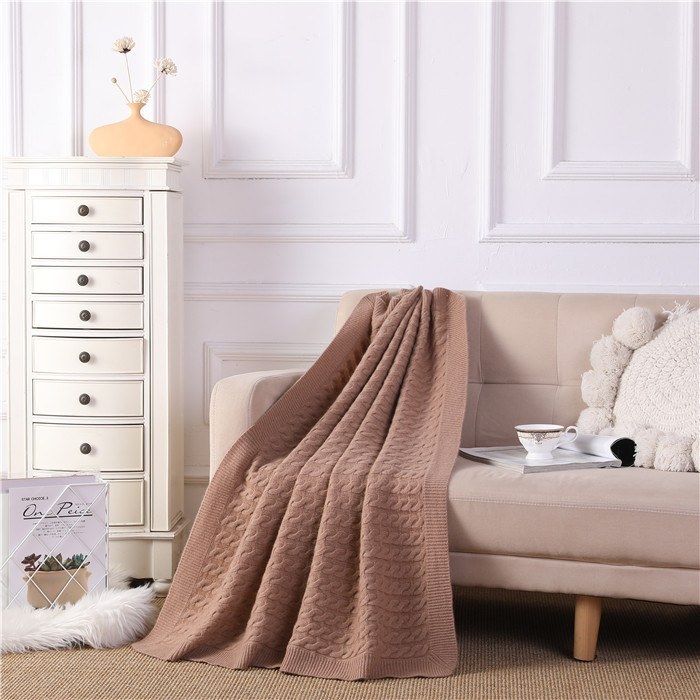
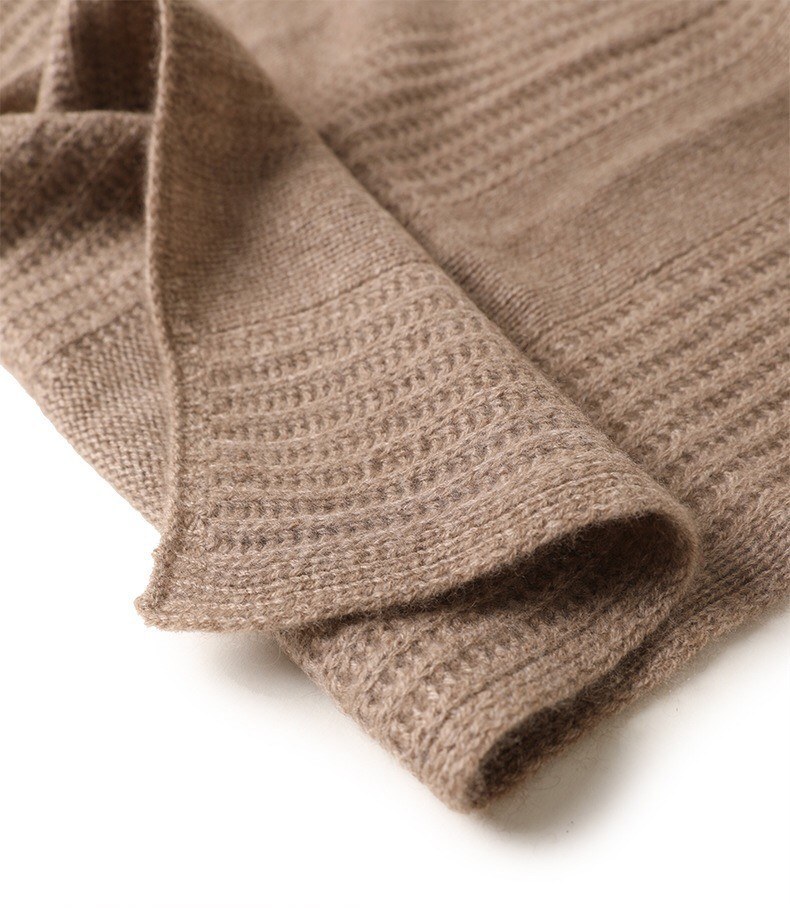
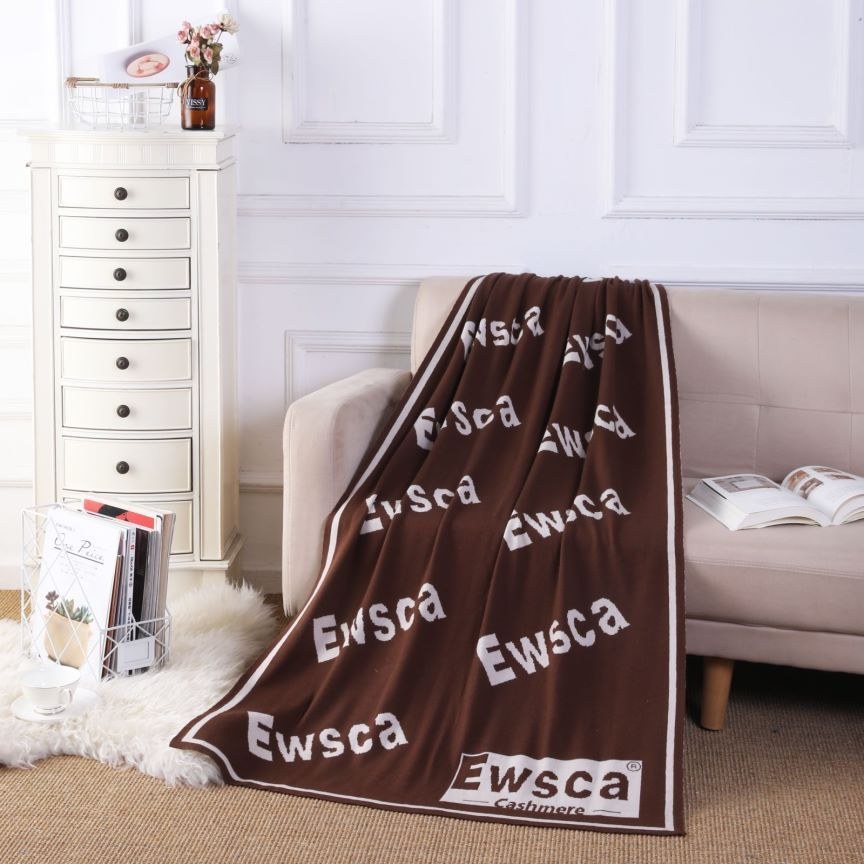
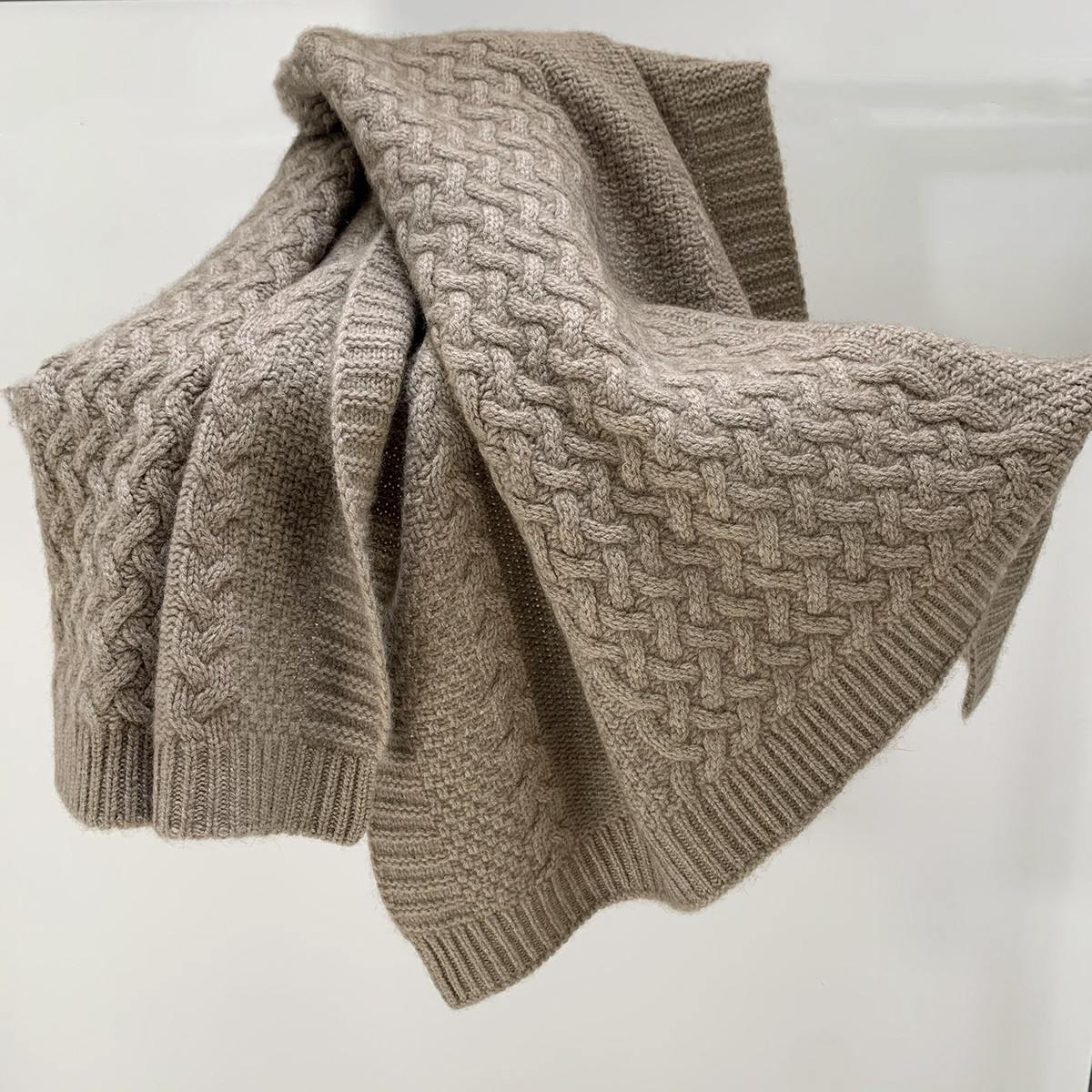
A cashmere range is usually planned around garments, and the piece that tells you whether the fibre story is working is often the one lying folded on the sofa. A throw is the cheapest way a customer can bring cashmere into a home, it carries no size risk at all, and it is the only knitted cashmere product that gets used every single day once it is bought. For a retailer, that combination makes it a repeat purchase rather than a gift-season spike. The category has also stopped behaving like a winter accessory. Warm neutrals, tactile surfaces and heavier, weightier textiles have moved to the centre of 2026 interior direction, and throws are now styled year-round rather than being packed away in March — a shift the home-textile trend reporting describes as layered texture and quiet luxury translated into everyday textiles, and one that shows up in the way buyers plan the category. This guide sets out what a blanket supplier should be asked for, format by format and specification by specification, and how to build a throw programme that survives contact with a wash cycle, a gift box and a hotel housekeeping team. Three commercial facts have moved the throw from an afterthought to a planned category, and none of them is about the holiday window. It has the lowest risk profile in the range. There is no size curve, no fit sample round and no size-driven return tail. A throw is one size in most programmes, and the two or three size options that do exist are chosen by the buyer rather than by the end customer. For a retailer testing a new fibre source or opening a new tier of the range, a throw is the least complicated way to place a first order and see how a yarn and a finishing route actually behave in use. It is used, not stored. A sweater is worn a few times a month in season. A throw is on a sofa or at the foot of a bed every day of the year, which means the fibre, the pilling performance and the wash behaviour are all judged continuously rather than occasionally. That is uncomfortable for a supplier with a weak yarn and excellent commercial for a supplier with a strong one — as the 2026 blanket trend reporting puts it, texture and tactile quality have become the main design statement in the category, which rewards construction rather than pattern. It sells through three channels at once. Retail gifting, the home and interiors customer, and hospitality contract supply all buy the same object with different specifications. The interiors customer buys colour and hand feel. The gift buyer buys presentation and a fibre story that reads as considered — the gifting cycle drives a disproportionate share of value in premium throws, and the cashmere throw category analysis tracks the same split between a genuine-fibre tier and a much larger synthetic look-alike tier. The hotel buyer buys durability, colour consistency across repeat orders and a supply agreement that holds for years. A programme designed only for the first two will be rejected by the third, and hospitality is the most reliable source of volume in the category. One market-structure point is worth holding in mind when the range is planned. The global blankets category is large and still expanding at a mid single-digit rate, with pure cashmere occupying the top of it — the segment sizing in the cashmere blankets market outlook puts the category at roughly USD 1.27 billion in 2025 with a projected path to around USD 2.16 billion by 2035, and cashmere blankets are being treated as a year-round home furnishing rather than a seasonal luxury. That is the structural reason a buyer can justify carrying the fibre in a home category at all. Most of the friction in this category starts as a vocabulary problem. "Blanket" is used for a 130 by 170 centimetre decorative throw, for a 230 by 250 bed blanket, for a lightweight travel piece that folds into a case, and for a small pet pad — four products with different yarn consumption, different finishing time and different retail placement. Settle the format before the sample request and a development cycle disappears. The formats also carry different versions of the same fibre claim. A travel blanket is a fine-gauge product where fineness is felt immediately, so the micron value on the specification matters more than in a heavier piece. A bed blanket or a pet pad is a denser construction where yarn strength, twist and the finishing route decide how the piece survives after a year of washing. Neither is better; they are simply different briefs, and a supplier who is asked for both without being told which is which will end up engineering something in between them. A throw is simple enough that buyers often accept a one-line description, which is how most of the avoidable problems in the category begin. The sheet below is the useful minimum; anything less and both sides are working from an inference rather than an agreement. Weight deserves one extra sentence, because it is the line buyers most often leave to the supplier. The heavier end of the market has been moving up deliberately: specialist blanket development now treats a weight of around 450 grammes per square metre as normal for a premium blanket and describes anything from 350 grammes upward as the entry point for a piece with real body, precisely because weight is what creates the grounded, sensory feel that customers in this category are buying. Cashmere reaches that sense of substance at a lower weight than cotton or a blend, which is the argument for the fibre — so state the number you approved and hold it. Structure is where a throw programme finds its identity, and it is also where the yarn is consumed. Four constructions do most of the work. Waffle and honeycomb. A cell structure that traps air and reads as textural without needing pattern. It photographs extremely well in neutral colours, which is why it dominates the warm-neutral direction of the season. It also uses more yarn per square metre than a plain knit and is more sensitive to pressing, since a flattened waffle loses the reason it was chosen. Cable and textured knits. The strongest signal of weight in the category. Cables and chevron structures lift a throw from a soft furnishing into something that looks handmade, and buyers should expect both a higher yarn consumption and a slower knitting time. Ask for the cable definition and the surface loft to be approved on a washed sample rather than a pressed flat swatch. Rib. A ribbed throw is the most forgiving structure in the range: it stretches, recovers and hides creasing, which is why it suits travel formats and anything that will be folded and refolded constantly. Check recovery rather than only appearance — a rib that opens permanently after the first wash is a yarn and setting question, not a laundering one. Jacquard and intarsia. The design-led end of the range, and the fastest-moving part of it. Oversized geometrics, tonal colour blocks and fine intarsia motifs are doing the work that heavy pattern used to do, which matches both the 2026 home textile direction on refined jacquard and the wider cashmere move towards the fibre as an everyday layering product rather than an occasion purchase, as tracked in the autumn/winter 2026 cashmere reporting. Two practical conditions apply. First, ask about the reverse face: a jacquard throw is seen from both sides on a sofa, and a reverse that floats or reads as a mistake will not survive a product photograph. Second, confirm the colour joins on the bulk — intarsia and jacquard are where a yarn substitution becomes visible. Colour architecture in throws is narrow and slow-moving compared with garments. Sand, oat, taupe, camel and clay carry the programme and repeat season after season, with one deep shade such as chocolate or navy usually added as the anchor, and the fibre trend reporting on neutral and accent splits describes the same three-to-one pattern seen across the wider category. Texture carries the visual interest instead of colour — which is what makes the 2026 direction a good fit for cashmere, since the fibre supplies the surface rather than the palette. Turn a throw over and look at the edge and the back before you look at the front. Three details separate a considered piece from a rushed one. Pilling is the complaint that arrives with the most force in this category, because the piece is used daily and there is nowhere for a weak yarn to hide. Four controls do most of the work: a plied rather than a single yarn, a stated weight and finishing route, a pilling grade measured on the bulk rather than on the development sample, and a care label written for the specific construction instead of copied across a mixed range. If a programme mixes cashmere with a wool blend or a synthetic look-alike, do not let one care label cover all of them — the washing instruction that protects a fine-gauge cashmere throw will damage a denser blend, and the reverse is also true. The wash test to run before approving bulk: take the approved sample, wash it exactly as the care label will instruct, dry it the way the label describes, and then re-measure it and photograph it beside the unwashed golden sample in daylight. If the dimensions, the surface loft or the edge tension have moved, that movement is what every customer will see in month two of ownership. A supplier who is confident in the yarn and the finishing route will pass this test without discussion. Colour consistency is the same discipline across a larger object. A throw presents a large uninterrupted surface, so a lot variation that would be invisible on a beanie becomes obvious on a bed. Approve the colour on the finished, washed piece in daylight rather than on a yarn card under factory lighting, and specify that repeat orders are matched against a retained golden sample rather than against a previous bulk delivery that may itself have drifted. Most throw programmes are bought private label, and the label is where the product stops being anonymous. Four decisions belong in the initial brief rather than in the packaging conversation at the end. The label itself. A woven or knitted label is the most durable option and the one that matters for a home product that will be washed repeatedly. Decide in advance whether the label sits at a corner, along the edge or inside a folded seam, because the placement changes the finishing operation. If the piece carries a fibre claim, the content and origin wording on that label has to be accurate — under the US wool and cashmere labelling rules, fibre content and country of origin are stated items, and the label wording is a compliance decision rather than a design one. Branding method. Embroidered motifs, jacquard-woven branding and applied patches all change the knitting or the finishing route. An embroidered mark on a heavy blanket requires the surface to be stabilised first, and a jacquard-woven mark has to be built into the pattern rather than added afterwards, which means it is decided at the design stage or not at all. Certification scope. Traceability and chemical-safety documents are held by the production site and cannot be produced at the shipping stage. If the programme carries a fibre-sourcing claim such as The Good Cashmere Standard, or finished-textile chemical safety testing under OEKO-TEX Standard 100, confirm in writing which facility is covered and that the order will be manufactured there. Retail partners increasingly ask for this before a listing is approved rather than after. Gift presentation. Throws are one of the few cashmere products that survive being presented in a box without a size conversation, which makes them the anchor of a corporate gifting or seasonal gift programme. Decide the presentation route — ribboned box, branded band, printed belly band, pouch — at the same time as the label, because packaging artwork has its own approval cycle and its own lead time. A gift programme that locks the piece in June and the packaging in September will miss the window it was built for. Hospitality is the most reliable volume in the category and the most demanding customer in it, because a hotel buys a specification and a supply relationship rather than a product. Four requirements separate a contract programme from a retail one. The calendar then follows from the channel, and it is the part of the plan most often left vague because a throw feels like a small item to decide. The seasonal pattern that emerges is worth planning around rather than reacting to. The interiors customer buys through the spring and autumn transitions, when a room is refreshed and a colour is changed; the gift buyer concentrates into the fourth quarter; and the hospitality buyer orders against opening and refurbishment schedules that are set months earlier and often land outside the gift window entirely. A programme that treats the throw as a fourth-quarter gift item leaves two of the three channels unserved, and the calendar above is what allows all three to be supplied from one yarn booking. Decide it from the format and the customer rather than from a grade table. A decorative throw that lives on a sofa and a bed blanket that is used every night are different briefs, and a travel piece is lighter again because packed volume is part of the product. Ask for weight per square metre with a tolerance, measured on the finished and washed piece, and hold that number on the sheet. Buyers who do this find that the approved weight is the single most useful control they have at reorder, because it is the line that catches a yarn substitution before the delivery does. Start with the paperwork rather than the touch, because advanced synthetic finishes mimic hand feel convincingly at first contact. Ask for fibre composition with a percentage for every fibre present, a measured mean micron value for the batch, and a certification scope naming the production site. Then confirm it on the piece: a denser, finer yarn held at a stated weight, edge finishing done by a named method, and a pilling grade measured on the bulk. Hand feel alone is not a reliable test, and it becomes less reliable after the first wash. Two-layer and backed constructions give weight, structure and a cleaner reverse face, which matters on a bed or in a hospitality setting where both sides are visible. A single-layer throw is lighter, folds down smaller and suits travel and layered styling, but the reverse face has to be finished properly because it will be seen. The decision changes the knitting operation, the finishing route and the care instruction, so it belongs on the brief rather than in the development conversation. Pilling is decided by the yarn and the finishing, not by the customer. A plied yarn rather than a single, a stated weight with a tolerance, a named surface-finishing route, and a pilling grade measured on the bulk lot are the four controls that do most of the work. Add a care label written for the specific construction, and run the wash test before bulk approval: wash the approved sample exactly as the label instructs, dry it the same way, then re-measure it and photograph it beside the unwashed sample in daylight. Whatever moved on that sample will move on every piece in the delivery. Yes, and doing it from one yarn booking is usually more efficient than running two. The formats, the weight bands and most of the colourways can be shared; what differs is the finishing standard, the colour-consistency discipline across repeat orders, the branding and packing specification, and the lead-time commitment. Decide the hospitality specification first and build the retail range inside it, rather than adding contract requirements to a retail piece after the fact. Throws are one of the few cashmere products where a contract-grade construction is also a retail-grade construction with no visible compromise, which is why the two channels sit comfortably in one programme.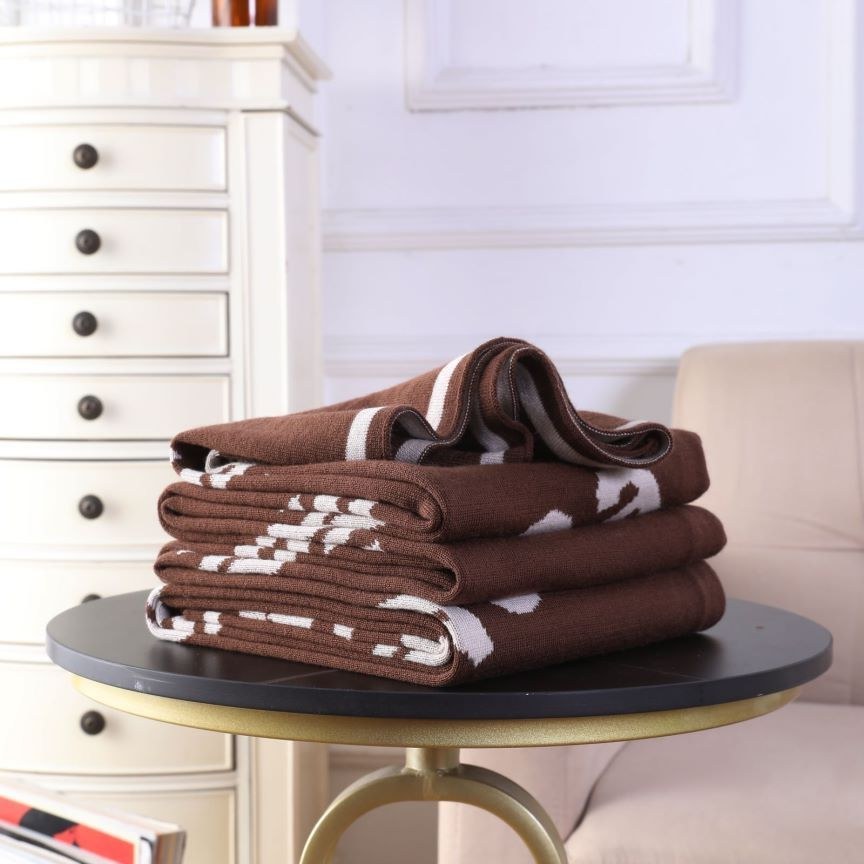
1. Why the Throw Stopped Being a December Product
2. Throw, Bed Blanket, Travel Blanket, Pet Blanket: Naming the Formats Correctly
Format
Typical construction
Buying note
Decorative throw
Knitted or woven, one size, plain or textured, finished edge
The colour and texture carrier of the range. Anchor the palette here, because everything else is chosen to sit beside it.
Bed blanket
Larger panel, often two-layer or backed, generous weight
Sized to mattress dimensions rather than to a style name. Confirm the finished size after washing, not before.
Travel blanket
Fine gauge, lightweight, folds or packs into a pouch
The hand feel and the packed volume are the whole product. Test the folded size, not just the flat measurements.
Pet blanket
Small format, denser knit, colour-fast, hard-wearing
Judged on wash performance and colour retention rather than on softness alone. Specify the wash route in writing.
Hospitality throw
Repeatable colourway, reinforced edges, contract-consistent
Bought against a multi-season supply agreement. Consistency across repeat orders matters more than novelty.
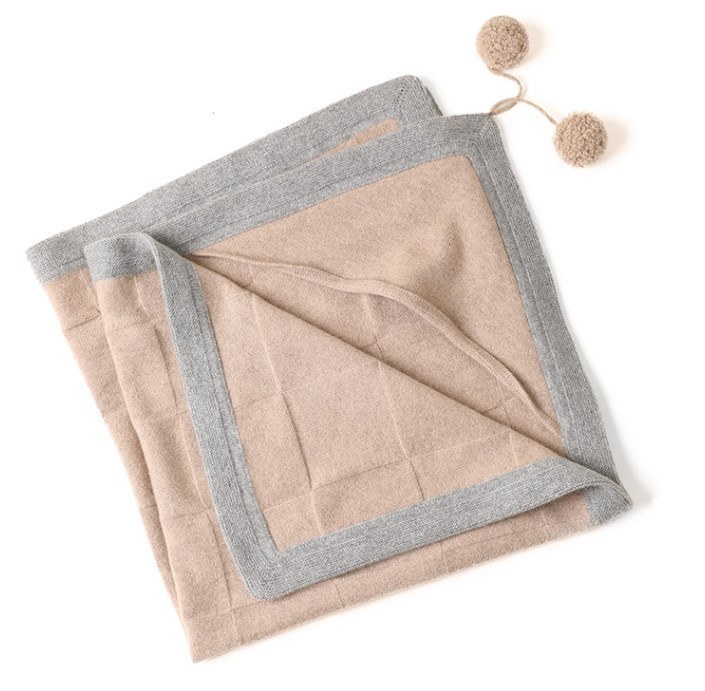
3. The Specification Sheet a Blanket Supplier Should Hand You First
Line on the sheet
What to require
Why it decides the order
Fibre composition
Stated percentage for every fibre present, including the trim and any backing
Drives the label wording and the fibre claim on the packaging, both of which are compliance statements rather than marketing.
Fibre fineness
A measured mean micron value for the batch, not a descriptive grade name
Settles the hand feel question before sampling and gives you a measurable control for the reorder.
Yarn structure
Ply and yarn count for the body yarn and for any contrasting yarn
A plied yarn holds shape and resists pilling differently from a single. It is the main predictor of how the piece ages.
Fabric weight
Weight per square metre, with a tolerance, measured on the finished piece
Weight is what the customer feels in the hand. A 200-gramme and a 450-gramme throw are different products, not different grades.
Finished dimensions
Length and width in centimetres, with a tolerance, after washing
Stops the classic dispute where a piece measures correctly off the machine and shortens once it is washed.
Weave or knit structure
The named construction: plain, waffle, cable, rib, jacquard or intarsia
Determines yarn consumption, knitting time and how the surface photographs, which the trend reporting treats as a sales question rather than a technical one.
Edge finishing
The specified method: worked border, hand-rolled, blanket stitch, fringe or ribbed selvage
The most visible quality signal on the piece and the most frequently substituted during bulk production.
Surface finishing
Whether the piece is fulled, brushed or milled, and to what degree
Adds softness and loft while changing pilling behaviour and the amount the piece shrinks. It is a specification, not a default.
Pilling and colour-fastness
A stated test result and grade for both, on the finished fabric
The two complaints that arrive after the sale. Ask for the result on the bulk lot, not on the development sample.
Care route and certification
The washing instruction the piece was actually tested against, plus the certification scope
A care label has to match the construction sold. Certification is held by a production site, so confirm which site will make the order.
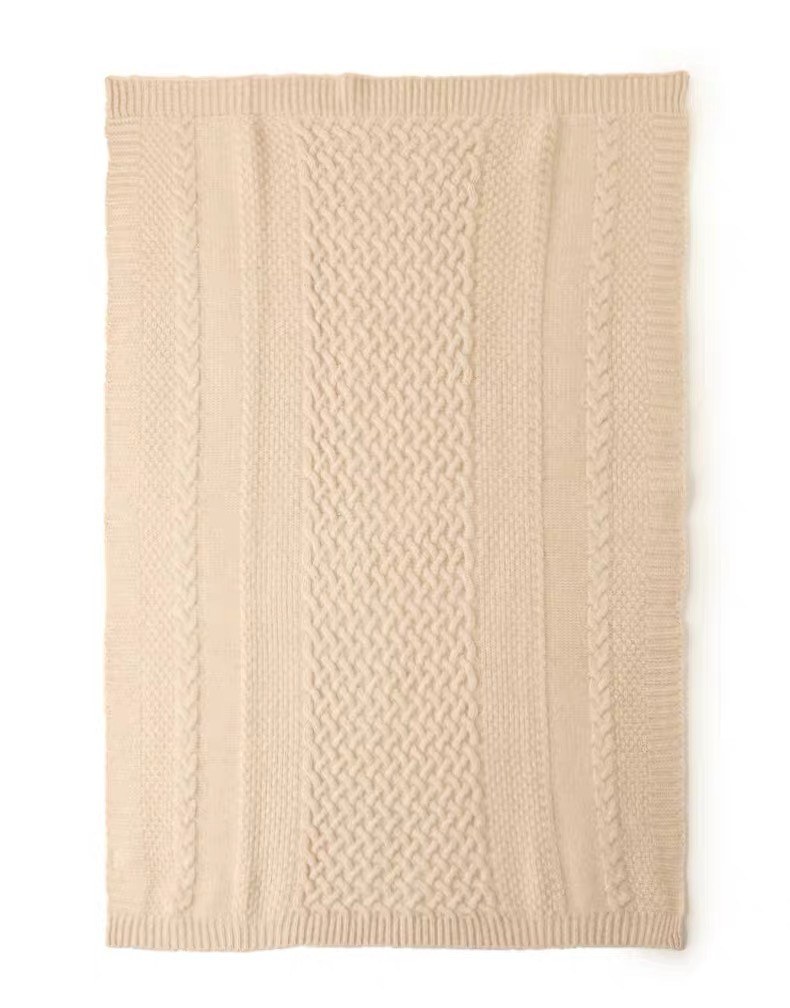
4. Weave Structures: Waffle, Cable, Rib and Jacquard
5. Edges, Finishing and Pilling: Where Buyers Find the Tell
6. Private Label, Woven Labels and Gift Packaging
7. The Hospitality Channel and the 2026 Buy Calendar
8. Wholesale Cashmere Blanket and Throw FAQ
What weight should a wholesale cashmere throw be?
How do I tell the difference between a genuine cashmere throw and a look-alike?
Should a cashmere throw be two-layer or single-layer?
How do I stop a cashmere throw pilling in use?
Can a cashmere blanket programme be built for hospitality contracts and retail at the same time?