Recycled Cashmere vs Cashmere: What Traceability Can Actually Prove
- Share
- Issue Time
- Oct 29,2026
Summary
A recycled cashmere sourcing guide: how regenerated cashmere is made in Prato, the fibre-length trade-off behind pilling, what GRS and RCS certification actually verify, what traceability can and cannot prove, and how to build virgin and recycled fibres into one knitwear range with the right paperwork.
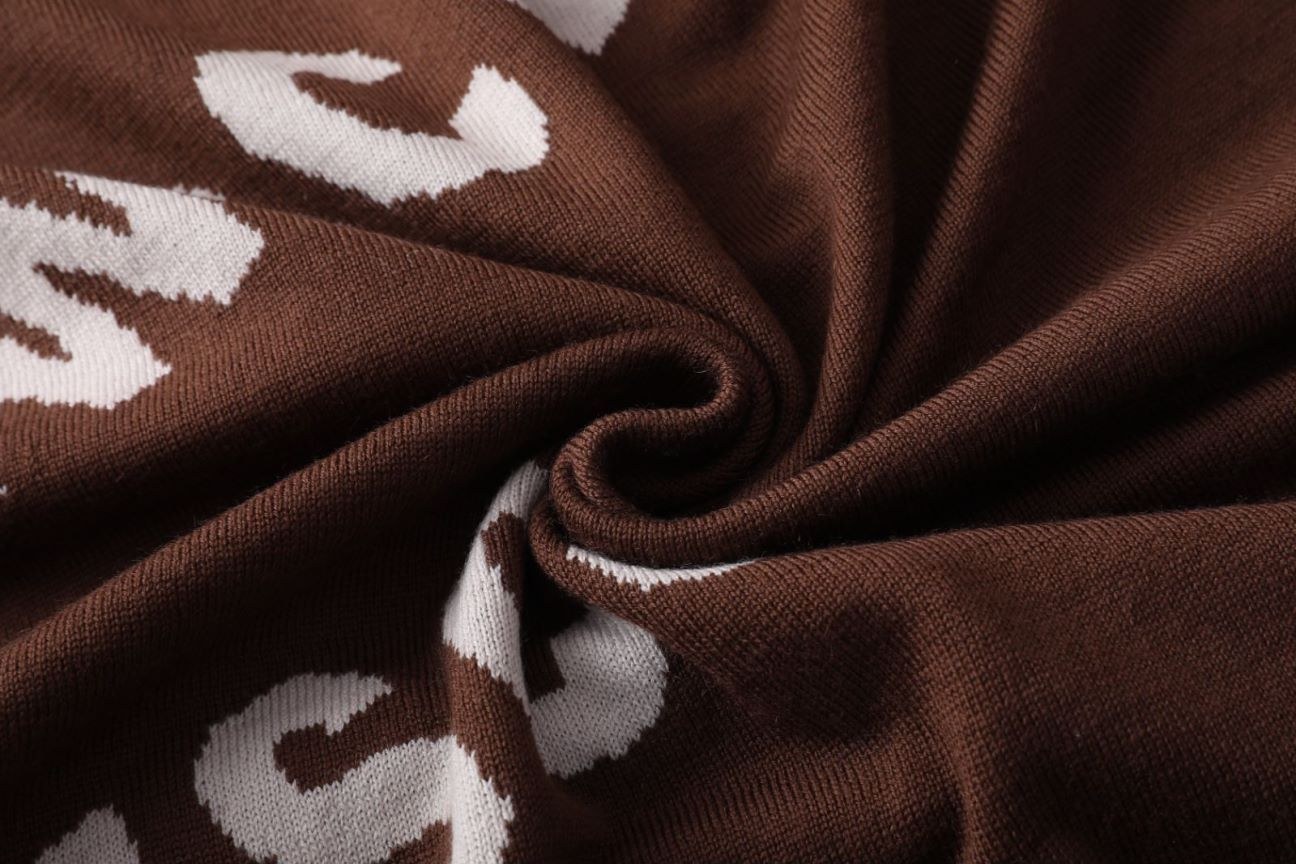
Recycled cashmere arrives in most buying conversations wearing either a halo or a target. To its champions it is the circular answer to a fibre with a grassland footprint; to its sceptics it is a shorter, weaker version of the real thing. Both camps are usually arguing past the same point: recycled cashmere and virgin cashmere are different materials with different strengths, and the certificate that follows one of them proves something narrower than most buyers assume. This guide puts the two side by side the way a specification meeting would. What each fibre actually is, how the recycling route works and where it loses fibre length, what GRS and RCS certification can and cannot verify, and — the part the title promises — what a traceability claim actually proves when it is written into a purchase order. The comparison assumes you are buying knitwear from a cashmere manufacturer rather than reading a hangtag, because the two questions get answered at completely different tables. Virgin (pure) cashmere is fibre combed from the goat’s undercoat, processed for the first time. Everything a buyer associates with the fibre — the 15-micron fineness, the 36–40 mm staple, the recovery after wear — describes this first-life material. Recycled (regenerated) cashmere answers the question what is recycled cashmere directly: it is true cashmere that has already lived once. Post-consumer garments and pre-consumer factory offcuts are collected, sorted by hand, mechanically opened back into fibre, carded and spun again. Nothing synthetic is introduced; it is the same fibre on its second pass, which is why serious producers object to it being framed as a downgrade. The clearest explanation of what recycled cashmere really is, from a Prato yarn maker makes the same point from inside the process: this is a technical tradition, not a disposal route. The definitions matter commercially because the two fibres enter a range through different doors. Virgin cashmere is a performance material, specified by diameter and staple length. Recycled cashmere is a resource decision, specified by recycled-content percentage and chain of custody. A buying brief that asks one to behave like the other produces disappointed samples on both sides. The industrial home of cashmere recycling is Prato, in Tuscany, where textile regeneration has been a working trade for well over a century. The route from worn sweater to new yarn runs through seven or so distinct operations, and each one sets a quality ceiling for everything after it: Two consequences follow for buyers. First, recycled cashmere is geographically concentrated — the supply chain works because selection, opening, carding, spinning and finishing sit within a few kilometres of each other, and a survey of recycled cashmere’s rise and its quality trade-offs credits that district structure for most of the quality the fibre achieves. Second, every recycled lot is genuinely individual. Standardisation, the thing virgin cashmere supply chains are built on, is not fully available here, and programmes should be scoped with that honesty rather than promised away. Mechanical recycling shortens fibre, and shorter fibre changes performance in ways that can be specified around but not specified away. The honest version of the trade-off has three parts: There is also a systems-level honesty worth carrying into any sustainability copy: regeneration consumes the fibre it works on. A candid explainer of how recycled cashmere is made and what it cannot do states it plainly — if only already-recycled fibre returned to the loop, it would shorten at every pass until it could no longer be spun. Recycled cashmere depends on virgin cashmere continuing to exist. Buyers who phrase their claims with that nuance intact are the ones whose copy survives scrutiny. Certification is where recycled cashmere earns the right to a claim, and the two standards buyers meet most often are deliberately easy to confuse. Both come from the same family, both audit chain of custody, and neither is a quality mark: The paperwork that makes both work is a pair of certificates. The Scope Certificate (SC) states what an entity is certified to do; the Transaction Certificate (TC) ties a specific shipment to the standard. A direct comparison of GRS and RCS requirements summarises the practical difference: most large buyers specify GRS, while RCS alone covers content verification for programmes that do not need the environmental and social modules. A certification body’s own guide to certifying recycled materials for European markets adds the failure mode worth planning for: traceability documents that do not connect stage to stage are the most common reason audits stall. This is the heart of the comparison. A complete chain-of-custody file — SC, TCs, batch records — proves three things: what percentage of the product is recycled material, where that material moved, and who handled it at each stage. It does not, by itself, prove any of the things marketing teams are tempted to attach to it: The practical translation for buyers: a recycled-content certificate and a quality specification are two documents, ordered from two places, and a programme that treats one as covering the other will discover the gap at the worst possible moment — in a customer’s return queue or a regulator’s letter. Write both into the purchase order, name the standards by version, and require the TC numbers to match the shipments they certify. With definitions, process and paperwork in place, the comparison compresses into a single table — the one to keep open during a sourcing call: Neither column wins outright, and a capable cashmere supplier will say so in the first meeting. The fibre a programme should use is a function of gauge, shade plan, claim strategy and reorder logic — not of which material has the better story. Most ranges end up running both fibres, and the split that works follows the strengths of each. Virgin cashmere holds the fine-gauge core — the crews, cardigans and layering knits that reorder season after season from the men’s cashmere sweaters line and the cardigan range. Recycled cashmere takes the mid-gauge transitional pieces, the mélange fashion colours and the accessory story across cashmere accessories, where its lot-specific shades read as character rather than risk. Two operational notes keep the dual-fibre range honest. Shade continuity: recycled melange cannot be matched exactly between lots, so either plan the programme around lot-sized buys or hold a virgin dyed equivalent as the continuity piece. Lead time: recycled yarn supply is concentrated in a small number of spinning districts, so book yarn lots early in the calendar rather than counting on spot availability. Both points are worth a line in the range plan next to the certificates — and both are covered in the answers our sourcing FAQ gives to first-time buyers. For the wider line-up across fibres and product families, the 2026 collection page shows how the two material stories sit on one line sheet, from cashmere home pieces to sleepwear knits. Yes. It is true cashmere fibre recovered from existing garments and offcuts, opened back into fibre and respun. Nothing synthetic is added, though many commercial yarns blend a stated percentage of virgin fibre for strength — which is why the blend ratio belongs on the specification sheet. Somewhat, because mechanical recycling shortens the fibre. How much depends on spinning quality, gauge and care. The practical answer is contractual, not rhetorical: set an ISO 12945 pilling grade on the finished fabric, separately for recycled and virgin styles. Both verify recycled content and chain of custody. GRS adds environmental processing, chemical and social criteria with a higher content threshold for consumer-facing labels; RCS is content verification only. Neither certifies fibre quality — order test reports for that. No. The shade comes from the sorted colour of the input garments, so each lot is its own recipe. Plan lot-sized buys, or hold a virgin dyed equivalent as the continuity shade and let recycled melange rotate as a fashion story. The recycled-content percentage and its standard (GRS or RCS, by version), pre- or post-consumer source, the TC requirement per shipment, the blend ratio if virgin fibre is included, plus the same quality lines as any cashmere order: micron, staple, gauge, weight, pilling grade and label compliance.1. Recycled Cashmere vs Cashmere: Two Definitions First
2. How Recycled Cashmere Is Actually Made

3. The Fibre-Length Trade-off, Measured

4. What GRS and RCS Actually Verify
5. What Traceability Can and Cannot Prove
Claim
What actually backs it
Chain of custody alone?
“Contains X% recycled cashmere”
GRS or RCS with TCs matching the shipment
Yes
“Produced under environmental and social criteria”
GRS processing modules (not RCS)
Only at GRS scope
“Fibre is 15.5 micron, 36 mm staple”
Batch lab test report
No — separate test
“Pills at grade 3–4 after wash”
ISO 12945 report on finished fabric
No — separate test
“Animal welfare and herding standards”
Fibre-side standards such as the Good Cashmere Standard
No — separate scheme
“Fibre content correctly labelled”
Market labelling law — in the US, the Wool Act at 16 CFR Part 300
No — separate duty
6. Virgin vs Recycled: The Side-by-Side Specification
Specification line
Virgin cashmere
Recycled cashmere
Source
Goat undercoat, first processing
Sorted post-consumer garments and pre-consumer offcuts
Fibre length
36–40 mm staple typical
Shorter after mechanical opening; set per lot
Shade logic
Four natural colours plus dyehouse palette
Mixed from sorted garment colours; often undyed melange
Pilling tendency
Baseline
Somewhat higher; specify grade on finished fabric
Shade repeatability
High, via dyehouse control
Lot-specific; melange shades are hard to repeat exactly
Primary claim
Fibre quality, provenance and welfare schemes
Recycled content percentage with chain of custody
Best suited to
Fine-gauge cores, long-run basics, light shades
Mid-gauge transitional knits, mélange fashion pieces

7. Building Both Fibres Into One Range
Wholesale Recycled Cashmere FAQ
Is recycled cashmere real cashmere?
Does recycled cashmere pill more?
What is the difference between GRS and RCS?
Can recycled melange shades be repeated exactly?
What should a recycled-cashmere purchase order include?