Private Label Knit Sweater Programs: OEM and ODM Routes Compared
- Share
- Issue Time
- Nov 3,2026
Summary
A private label knit sweater guide: where the OEM and ODM routes actually diverge, who owns the pattern, colour approvals and grading, how to read an MOQ before comparing quotations, how many sample rounds to plan, and the labelling rules a first programme must satisfy in the US and EU.
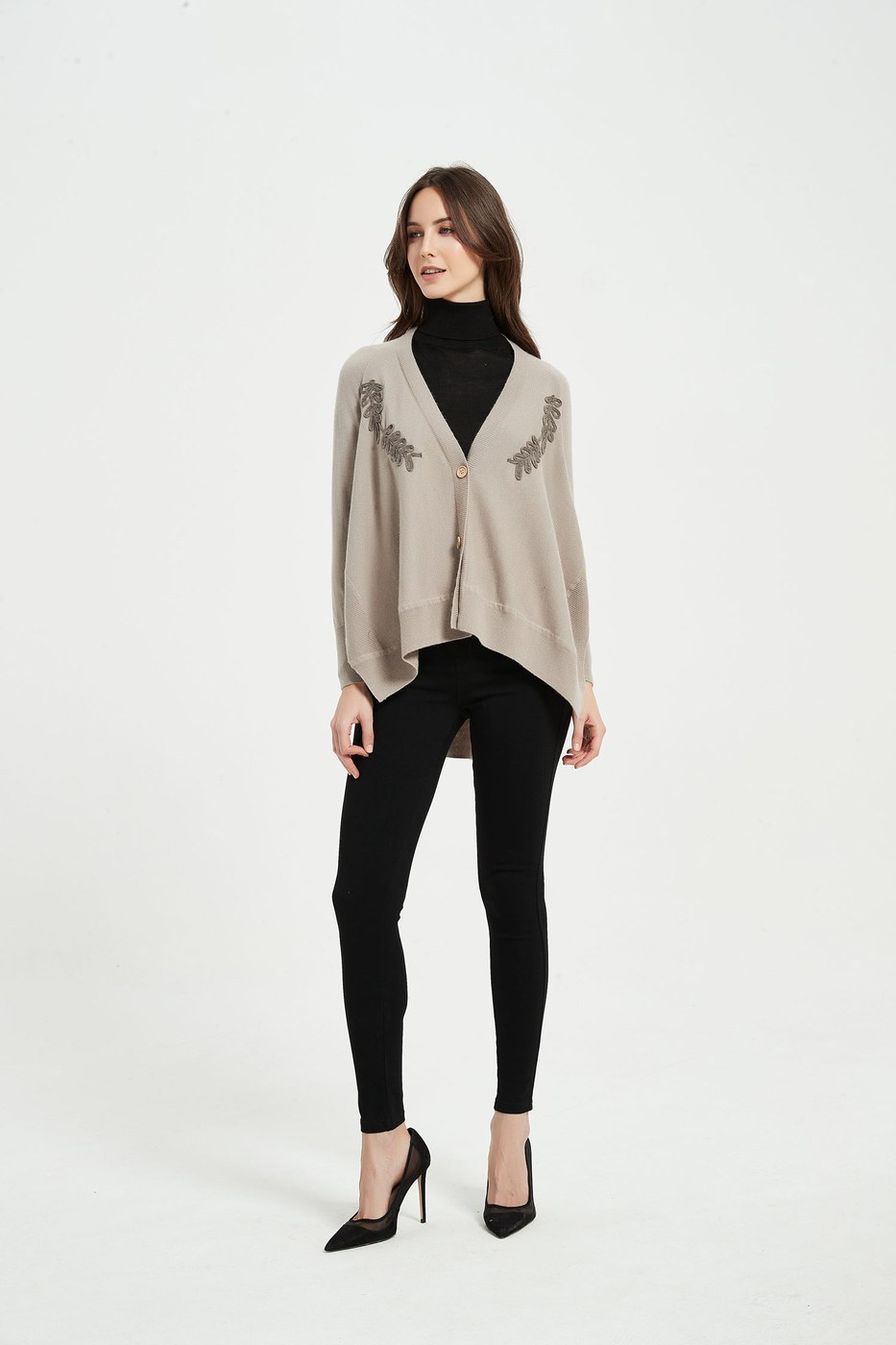
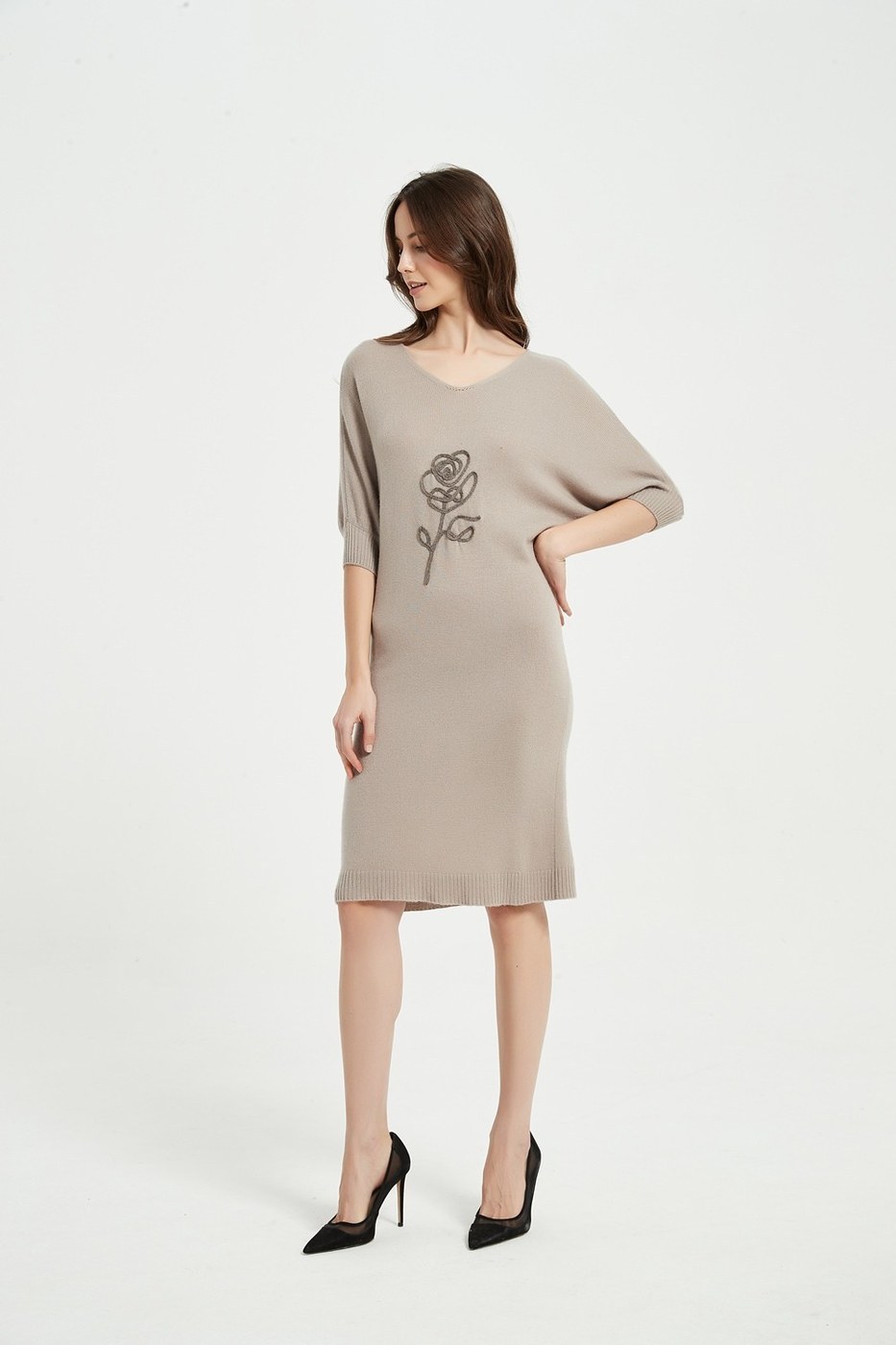
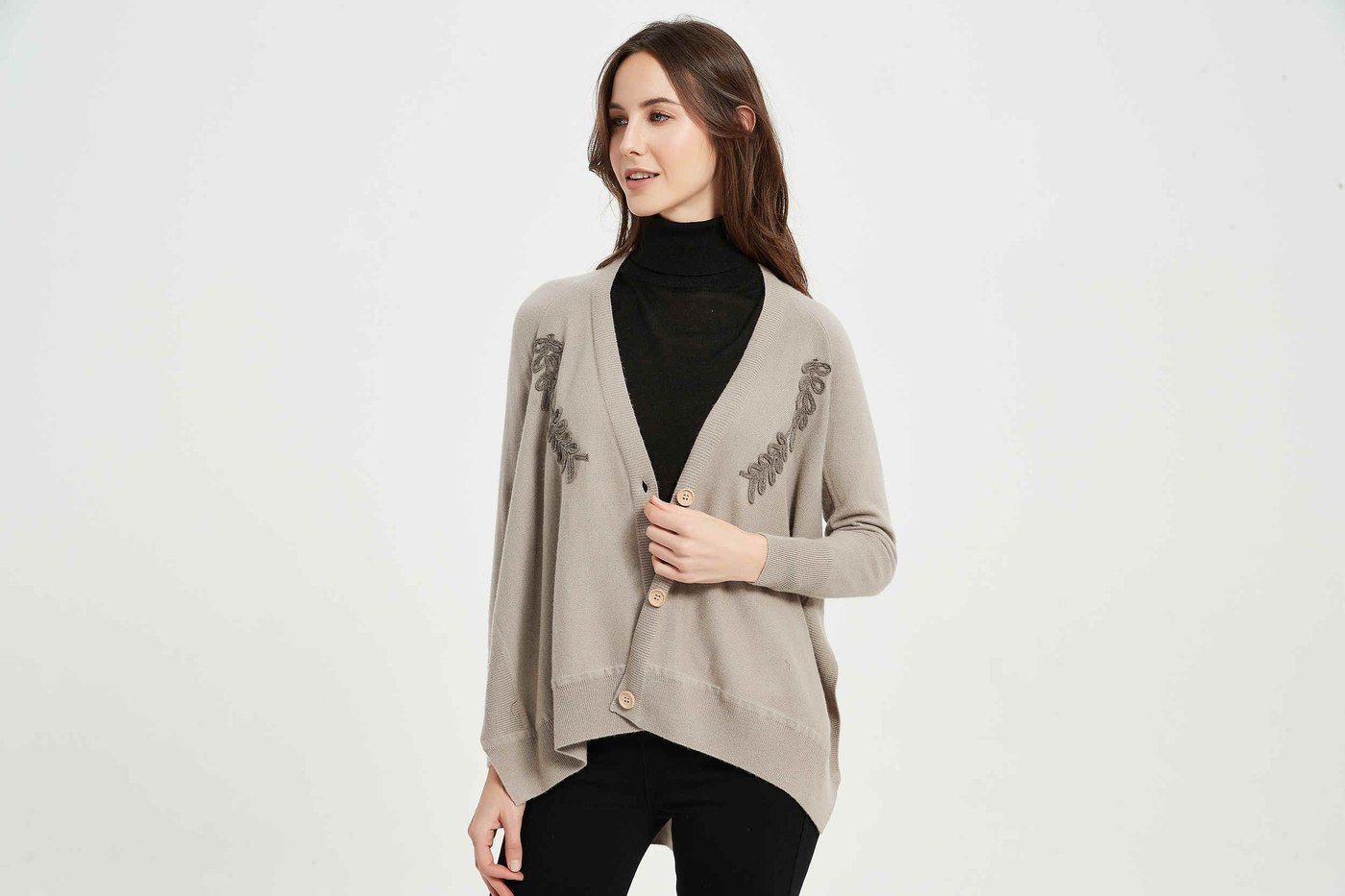
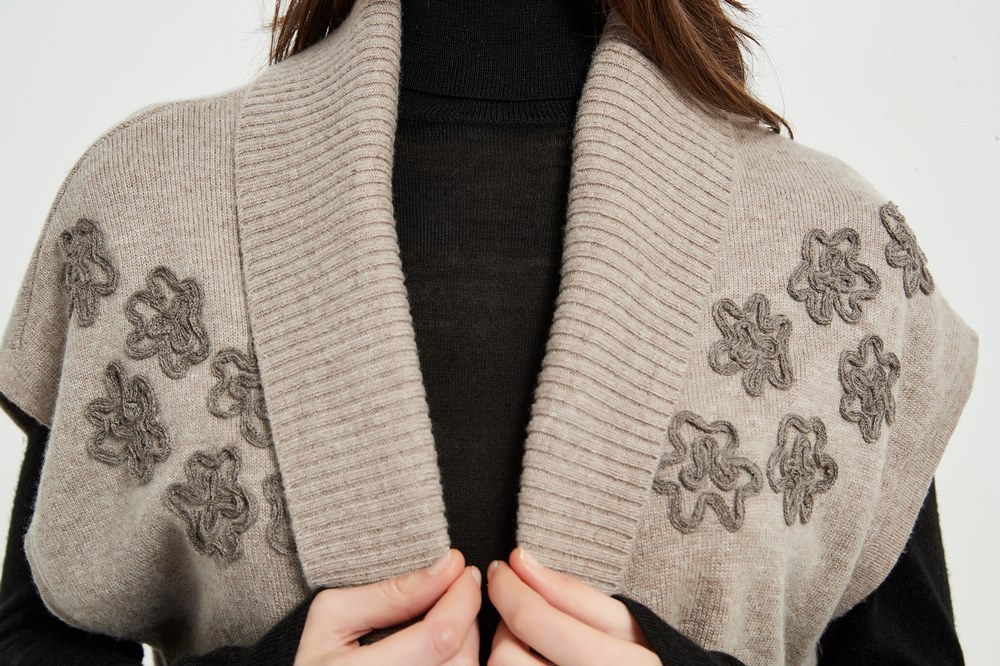
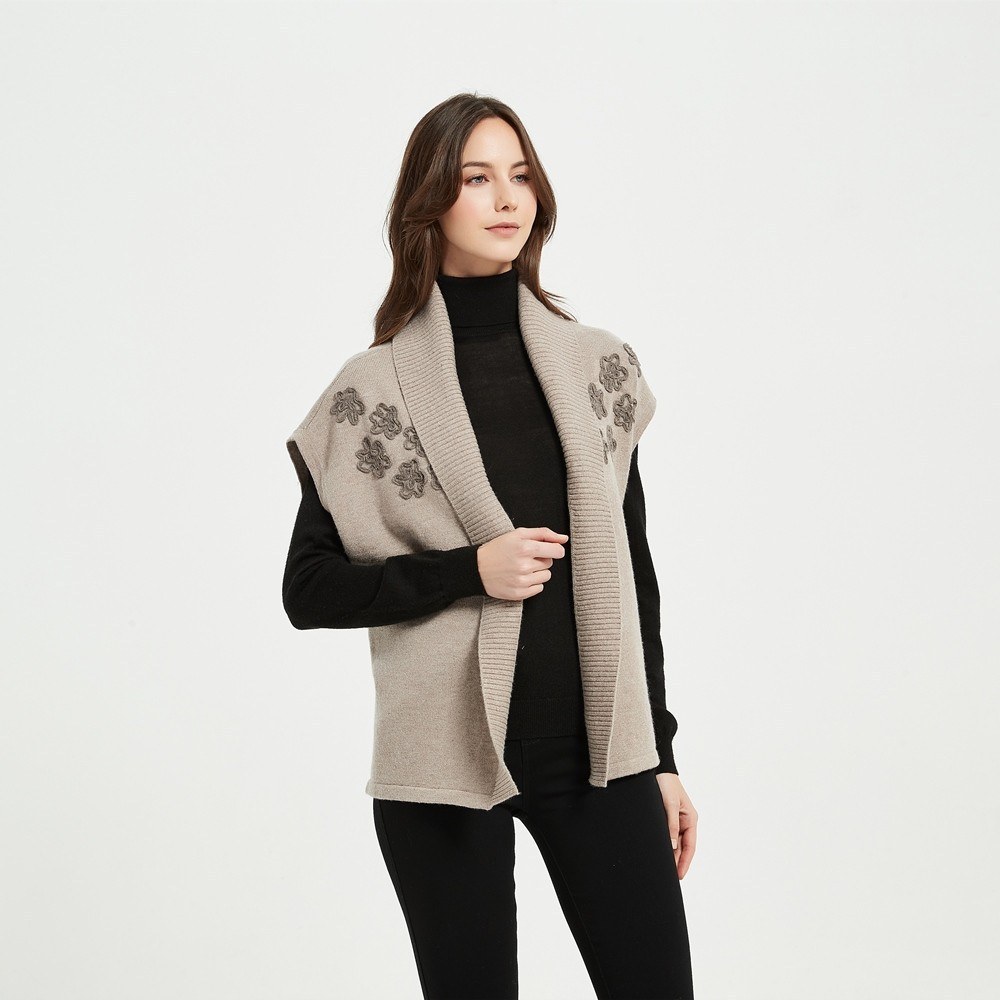
Almost every knitwear conversation now contains the phrase private label, and almost none of them mean the same thing by it. For one buyer it means sending a finished sketch and receiving a finished sweater; for another it means choosing a style from a factory’s shelf and swapping in their own colour and logo. Both call the result their brand. Only one of them owns what makes the result what it is. This guide separates the words that get blurred: what private label actually describes, where the OEM cashmere sweater route ends and the ODM knitwear route begins, which decisions belong to which side of the table, and how minimums, sample rounds and labelling rules shape a first programme. The examples assume you are commissioning knitwear from a cashmere factory that develops as well as knits, because the vocabulary only matters when someone has to act on it. The first clarification is free to make and saves whole seasons of confusion: private label describes whose name goes on the garment, not who developed it. A private label knit sweater can be built three ways — from your own specification, from a factory’s existing platform, or as a hybrid that starts on the shelf and matures into full custom. A buyer guide to OEM and ODM knitwear sourcing frames it the useful way: rather than asking which label a supplier uses, ask who owns each decision — the silhouette, the yarn specification, the stitch structure, the grading, the labels, the testing and the release. That ownership question is where the three vocabulary terms actually differ, so it is worth laying them side by side: One consequence follows immediately. If the pattern and the specification are assets you intend to reuse across seasons, they need to belong to you — which pushes the programme toward OEM. If the style is a one-season experiment, speed and proven construction matter more than ownership, and the ODM route is not a compromise but the correct match. A three-way comparison of OEM, ODM and the private label layer puts the same point structurally: there is no ranking between the models, only a match, and the match is decided by what you already have in hand. OEM — original equipment manufacturing — means the factory knits to your specification. The phrase to your specification is doing all the work in that sentence. A complete knitwear specification is a technical document, not a sketch, and the stronger it is, the shorter the road to an approved sample: The discipline that separates a workable tech pack from a wish list is measurable language. Soft hand feel is not a specification; 14GG, 2/48 Nm two-ply yarn, finished weight 320 g in size M, 3% maximum pilling grade after ISO 12945 box test is. A plain-language guide to OEM versus ODM knitwear makes the same point about where the burden sits: in OEM, you own the design, which means you also own the responsibility for expressing it precisely — and if the pack is incomplete, development slows while everyone guesses at your intent. ODM — original design manufacturing — starts from work the factory has already done: fit blocks that are known to wear correctly, yarn libraries with settled suppliers, stitch programmes that run cleanly on the machines. You arrive with a brief, a reference image or a pick from the line sheet, and the first sample starts from proven construction rather than a blank page. For a first collection, a category test, or a launch on a fixed calendar, that head start is the entire value. Customisation is still real on this route — colour, yarn substitution, gauge, trims, embroidery and your own branding all move — but its depth has edges, and the honest ones are worth naming before you sample. A base design may be shared with other customers unless exclusivity is negotiated; certain construction choices belong to the block; and the pattern file stays with its author. A factory-side decision guide to OEM versus ODM knitwear suggests the practical test: tell the factory at quotation whether you are adapting an existing style or developing your own, so the sample plan, the quotation structure and the ownership terms all describe the same project. One quiet advantage of a mature platform is breadth. The same factory that builds your cashmere cardigan programme usually holds blocks for vests, jumpers, knit dresses and knit jumpsuits, which lets a range expand sideways in season two without requalifying a supplier. That is a merchandising decision, but it is one the ODM route makes materially easier. Whatever the model, the disputes that damage knitwear programmes almost never start in the knitting — they start in the gap between two people who both believed the other held a decision. The fix is unglamorous and effective: before yarn is ordered, write down who owns each workstream, and who may approve a substitution when reality interferes with the plan. The matrix takes one meeting to agree and pays for itself the first time a yarn lot changes, a dye lot drifts, or a trim supplier slips — because the document answers who decides before anyone has to guess. KnitSeek’s responsibility-mapping approach to OEM and ODM sourcing records the recurring failure this prevents: disputes that begin with one vague phrase — make it like the sample — in a craft where a small change in gauge, twist or panel shaping changes the garment substantially. Minimum order quantities are the most-quoted and least-examined number in knitwear. A minimum is only comparable when its unit is explicit: per style, per colour, per size, per yarn lot, or per production run — and each of those answers a different question. A single-figure minimum on stock yarn in factory shades is a genuinely small door into the programme; the same figure attached to a custom-dyed colour in a bespoke blend is a different commitment entirely, because the yarn itself had to be spun for you. The practical reading, before comparing any two quotations, is to ask three things of each minimum: what unit it counts, what conditions (stock yarn, fixed block, limited shade range) keep it low, and what changes reset it. A guide to comparing OEM and ODM quotations treats this as the first verification step, and it applies equally whether the programme is bespoke or platform-based. For a concrete example of the small-door version, see our small-MOQ custom design rope embroidery cardigan — custom detailing carried at a quantity a first-season brand can actually commit to. Sample rounds track the model. ODM programmes typically move through one or two iterations — the sample confirms colour, fit adjustments and branding on construction that already works. OEM programmes should be planned with two to three rounds in the calendar: first sample proves the interpretation, fit sample locks the measurements across the size set, and a pre-production sample in bulk yarn seals what ships. The sampling windows themselves — and the bulk lead time after approval — are broadly the same either way; what changes is how many passes the first phase needs. Our OEM rope embroidery cardigan shows the fully-specified end of that spectrum. Branding elements are the part of the programme you fully own in either model, and they are also the part most governed by law. A United States label must carry four things: fibre content in generic names and percentages, country of origin, the importer’s registered identification number (RN) or company name, and care instructions with a reasonable testing basis. A checklist guide to US clothing label requirements walks the four elements and the mistakes that hold shipments — origin printed on the back of the neck label, fibre percentages that do not sum to 100, or a factory name where the importer’s RN belongs. Wool and cashmere content specifically falls under the US wool products labelling rules at 16 CFR Part 300, which also governs how the word cashmere may appear. Market differences matter more than most first-time importers expect. The EU requires ISO 3758 care symbols and composition in the language of the sale market, while the US system uses the ASTM D5489 symbol set — a market-by-market guide to textile labelling in the EU, UK and US maps which element is mandatory where, and why a label compliant in one market can hold a shipment in another. Composition tolerances are similarly codified: a practical reference on fibre-content and care labelling details the ±3% tolerance between declared and lab-tested blends, the exclusive-of-decoration rule for trims under 15% of garment area, and the on-site label audits inspectors run before shipment. Two further notes belong in the tech pack rather than in a compliance binder. First, barcodes: retail distribution centres reject on barcode format, placement and scan quality, so specify your own GS1 prefix and exact hangtag placement — a packaging and labelling guide for textile exporters covers the barcode and carton-label requirements that trigger distribution-centre rejections when wrong. Second, minimums apply to branding elements themselves: woven labels and hangtags are printed in runs, so a hangtag program typically starts at several hundred pieces — plan the artwork order alongside the yarn order, not after it. A first season teaches both sides where the real control points are. Inspection is one: bulk shipments are audited against an Acceptable Quality Limit, and an explainer of AQL sampling in apparel inspection shows how a stated AQL — 2.5 for major defects is the common knitwear default — translates into how many pieces an inspector pulls and what fails the lot. Writing the AQL into the purchase order, alongside the pilling and shrinkage grades, moves quality from a hope to a clause. Fibre claims deserve the same rigour, because a private label sweater is also a statement about material. Sourcing frameworks such as the Good Cashmere Standard give a programme verifiable language about animal welfare and herder livelihoods, and the claims that survive scrutiny are the ones backed by an audited standard rather than adjectives. The same discipline applies in reverse: whatever the fibre story is, the composition label must still be provably accurate within tolerance — storytelling and compliance are separate documents with separate owners. The path most programme builders actually take blends the models rather than choosing once. Launch on platform styles to prove the assortment; graduate the bestsellers to full custom as sales data accumulates; keep the proven blocks for refill speed. The breadth of a mature knitwear collection spanning sweaters, cardigans and accessories exists precisely so that a range can widen without changing suppliers — men’s lines through the men’s cashmere sweater programme, smaller pieces through knit accessories, and home and lifestyle extension through the cashmere home range. Each addition reuses the labels, the fit philosophy and the testing standard the first season established — which is, in the end, what ownership of a specification is for. Yes, if the minimum is built on stock yarn and an existing block, and you accept the shade and construction limits those conditions carry. The number to examine is the unit: a per-style minimum on platform shades is a small door; the same figure on a custom-spun yarn is a bigger commitment. Ask what resets the minimum before comparing quotations, and scale into custom yarns and bespoke development as the repeat orders justify them. Unless agreed otherwise, the pattern, the fit block and the knit programming remain with the factory that developed them. The brand owns its logo, label artwork and packaging. If design ownership matters to the programme, it must be stated in the development agreement before sampling — ownership is a contract term, not a side effect of having paid for samples. A reference garment can be measured, matched for gauge and weight, and adapted, but an exact copy is both technically shallow and legally unwise — protected prints, embroidery and distinctive design elements follow the original. The productive version of the request is: bring the reference for hand-feel and fit intent, and let the programme’s own specification define what makes the result yours. A counter sample is the factory’s interpretation of what you sent — the first answer to your brief, used to align understanding before measurements are locked. A pre-production sample is made in bulk yarn with bulk processes, after fit is approved, and it is the physical reference that bulk is judged against. OEM programmes pass through both stages; ODM programmes often move straight to a fit-adjusted pre-production sample. Yes — and supplying complete artwork files early is the single easiest way to protect the shipping calendar. Your artwork must still comply with the destination market’s rules: fibre content, origin, importer identification and care instructions in the required symbol system. Confirm the label text and placement in the tech pack, order branding elements in parallel with production, and request a photo approval of sewn-in labels before bulk packing.1. Private Label Is a Branding Layer, Not a Manufacturing Model
Dimension OEM ODM Private label layer Who designs the style The brand The manufacturer Not applicable — this is a naming layer Who owns the pattern and specification The brand Usually the manufacturer Unchanged by the label What you send to start Tech pack, measurements, construction A brief, or a pick from existing styles Label artwork, hangtag, packaging spec Exclusivity of the style Yours, subject to agreement Must be requested and stated Determined by the underlying model Reuse across seasons Pattern and spec carry forward Depends on what the factory permits Not affected 2. The OEM Route: What You Bring to the Table
3. The ODM Route: What the Platform Already Holds
4. The Responsibility Matrix: Settle Ownership Before the First Sample
Workstream Typical owner in OEM Typical owner in ODM Design file and artwork Brand Shared — factory adapts its base Yarn selection and count Brand, with mill feasibility input Factory proposes from its library Colour approval and lab dips Brand approves; factory executes Factory executes from stocked shades Knit programming and pattern Factory executes to brand spec Factory — it is the factory’s block Grading across the size set Brand specifies rules Factory applies its block rules Label and packaging artwork Brand Brand Test standard and acceptance grades Brand sets, factory evidences Negotiated — often factory standard Bulk release sign-off Brand Brand 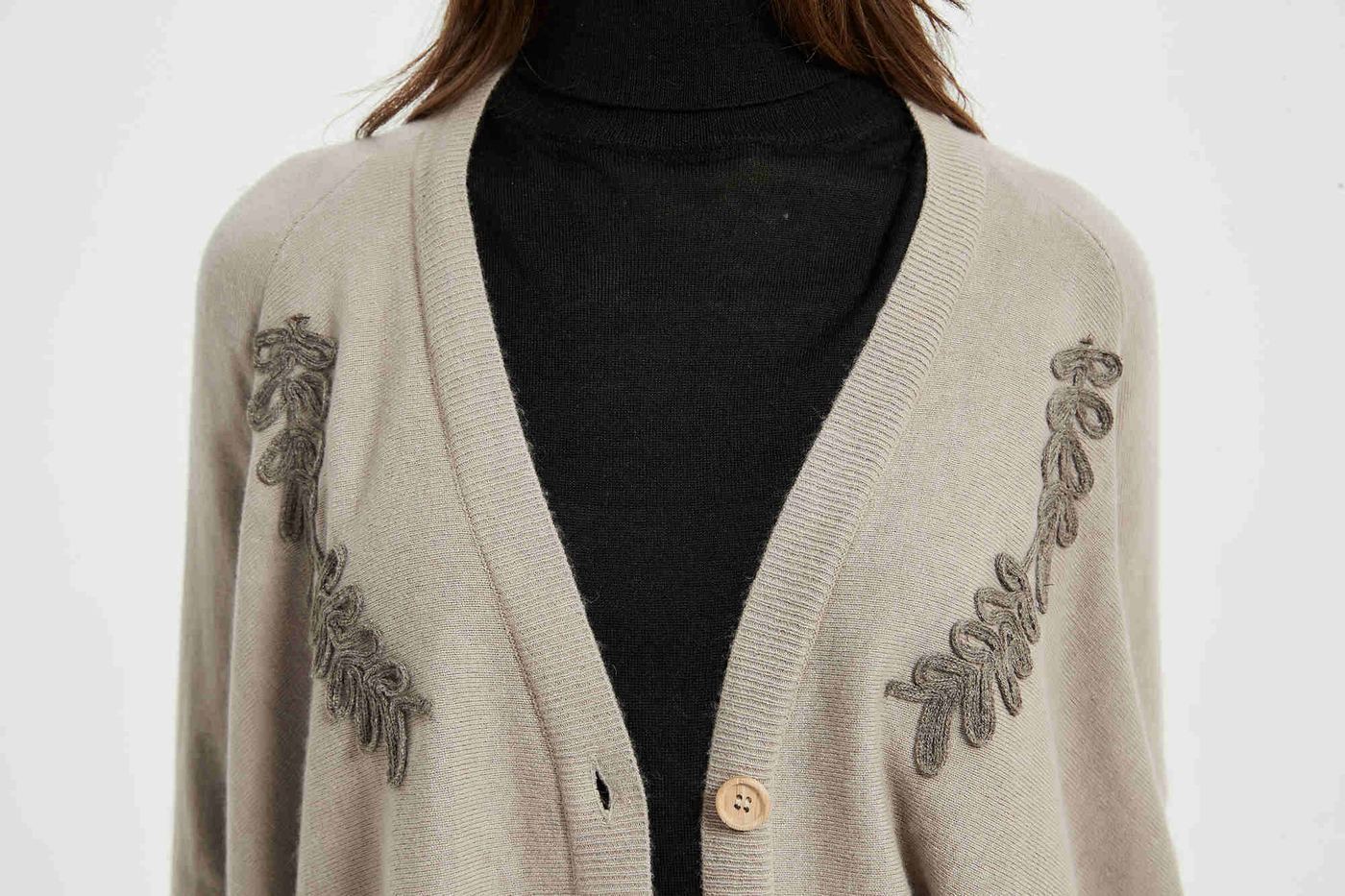
5. MOQs, Sample Rounds and the Small-Order Reality
6. Labels, Hangtags and Care-Labelling Across Markets
7. From First Order to Repeat Programme
Frequently Asked Questions
Can I start with a small quantity and scale the programme later?
Who owns the design when an ODM programme ends?
Can a factory copy a competitor’s sweater exactly?
What is the difference between a counter sample and a pre-production sample?
Can I supply my own labels, hangtags and packaging?