Small Quantity Cashmere from China: How Low-MOQ Programs Work
- Share
- Issue Time
- Nov 19,2026
Summary
How low-MOQ cashmere programmes actually work: the dye-lot arithmetic behind minimums, stock-yarn banks, whether MOQ counts per style or colour, four levers that push minimums down, small-order trade-offs, and the two-stage path from platform styles to full custom.
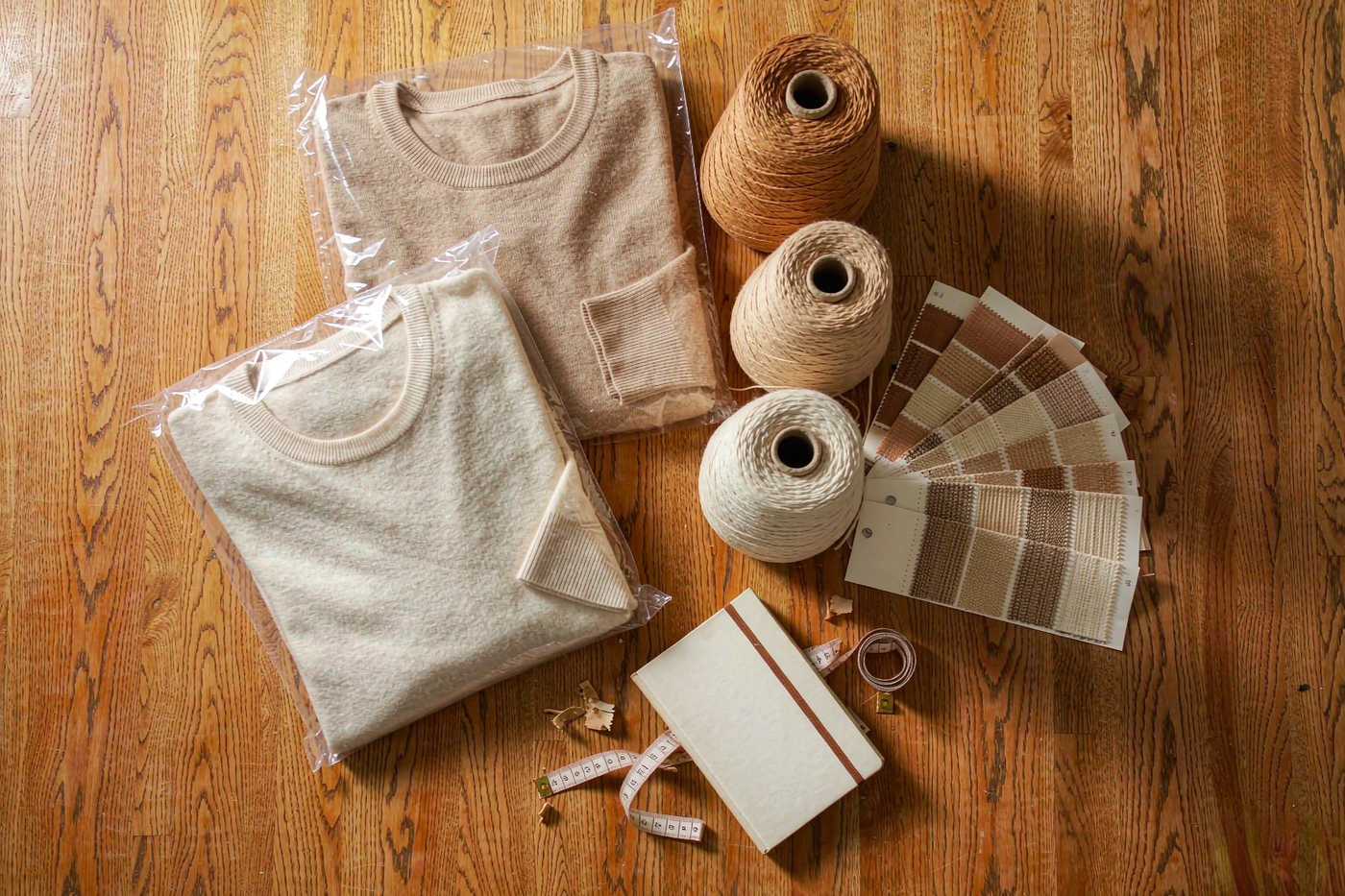
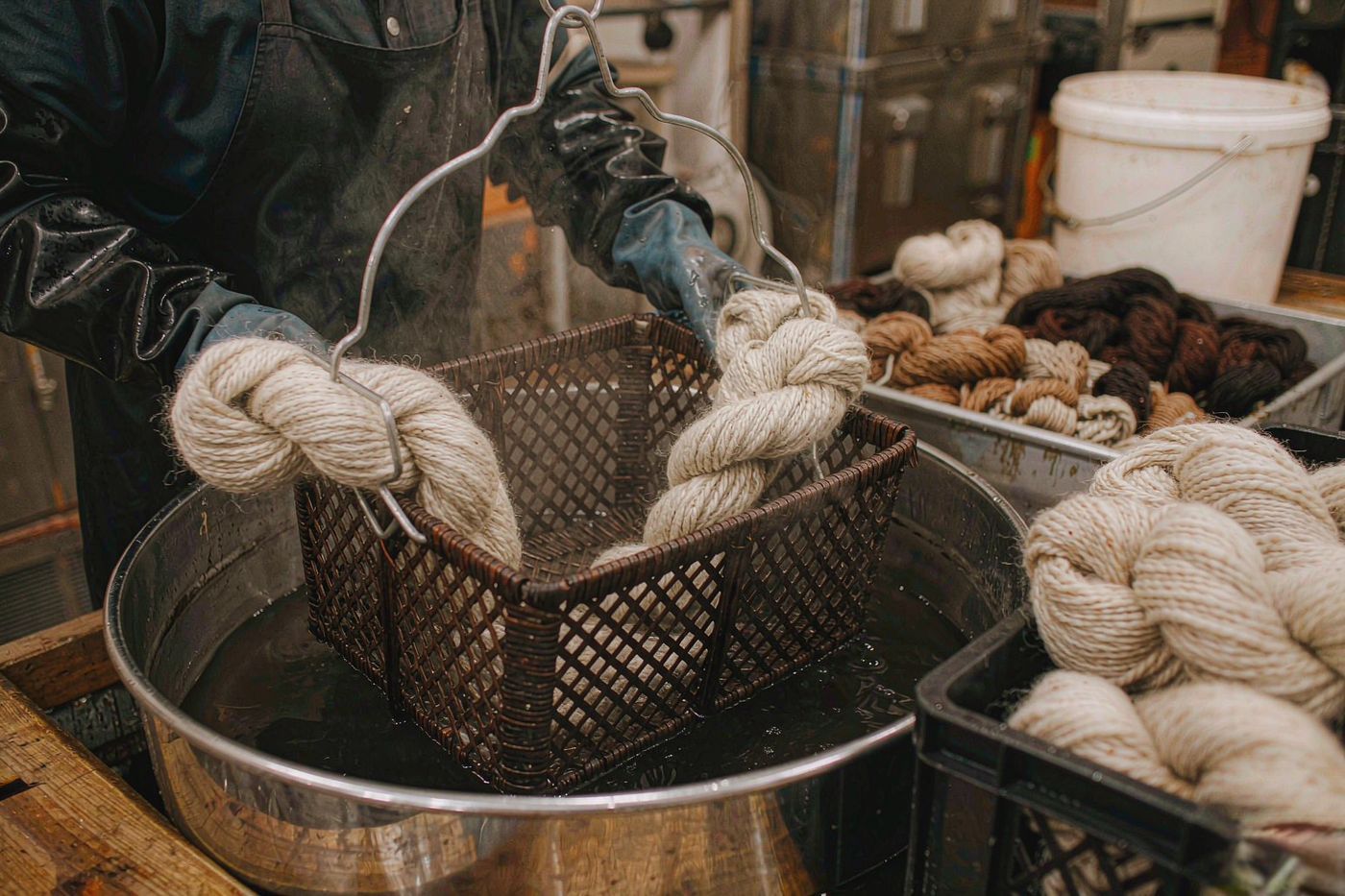
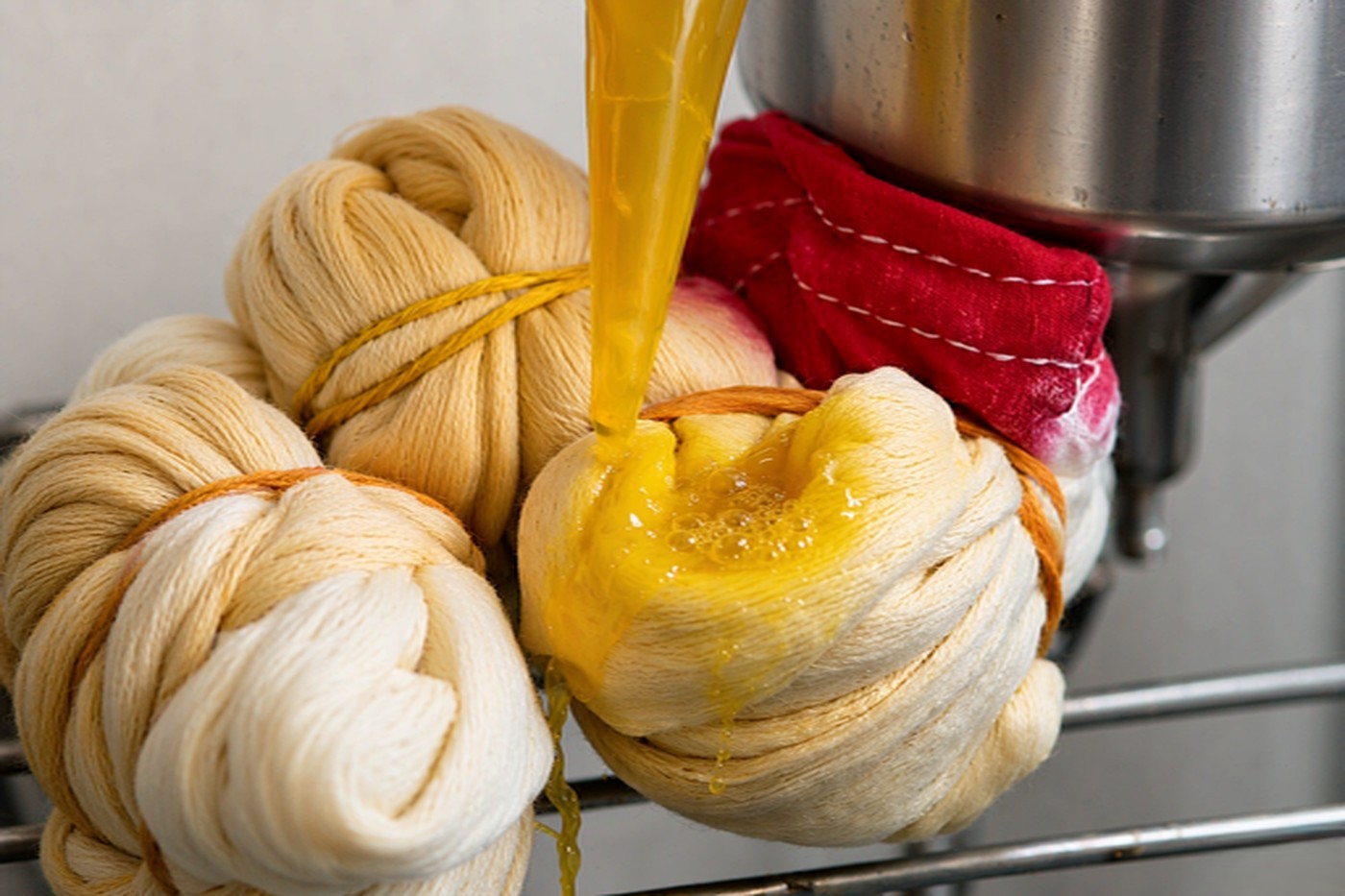
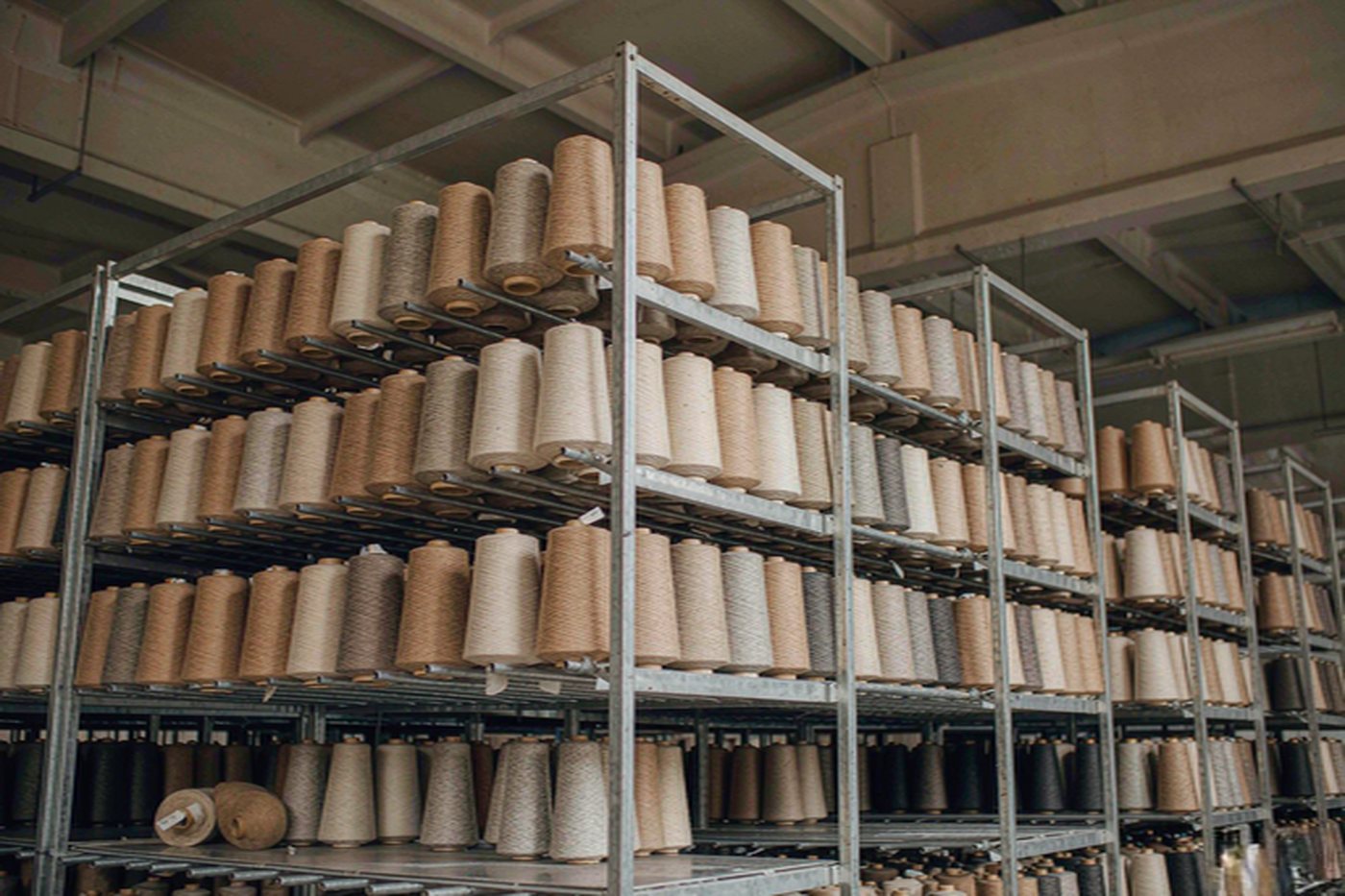
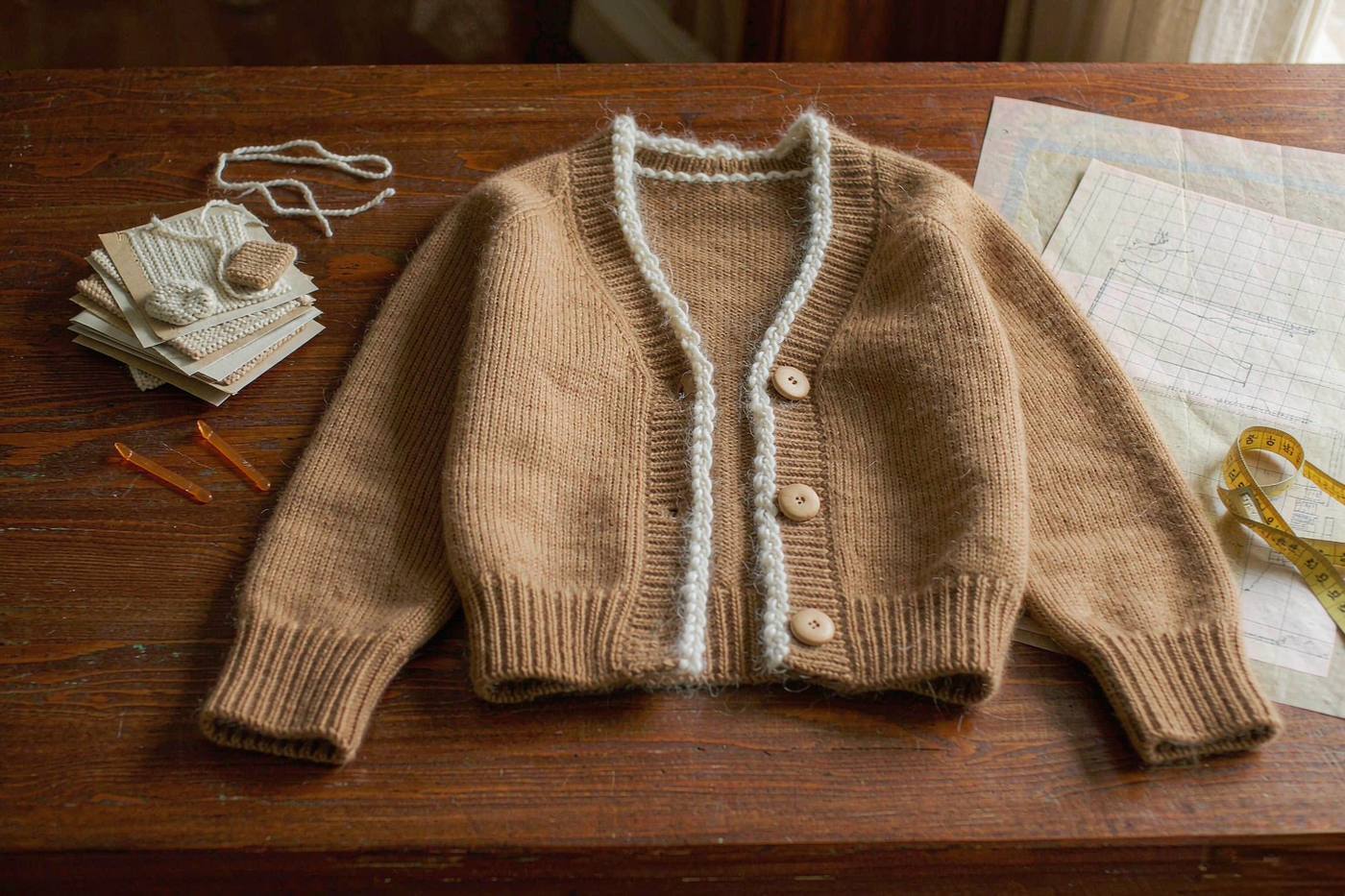
Buyers searching for small quantity cashmere from China usually arrive with the same three questions: how low can a real minimum go, what the number is counted against, and what quietly gets worse when it drops. Low-MOQ programmes are real — flexible factories publish trial floors of 30–100 pieces per colour — but the mechanism behind them is narrower than most sourcing pages imply. It rests on one physical bottleneck, the dye lot, and everything else is engineering around it. This guide covers how the mechanism works, how the minimum is counted per style and colour, which levers push it down, the trade-offs that arrive with it, and the two-stage path that lets a first cashmere drop de-risk a later custom programme. The pieces behind this guide — like the Small-MOQ custom-embroidered cardigan and the OEM rope-embroidery cardigan — are programme styles a first-time buyer can order at trial scale, then move to full customisation once the sell-through justifies it. The upstream mill — not the knitting factory — sets the hardest constraint. Industrial dye vats charge economically at roughly 50–100 kilograms per colour, and sourcing benchmarks convert that to garments directly: 100 kilograms of yarn, less about 10 percent waste at about 0.4 kilograms per sweater, works out to a 225-piece minimum per colour. Every setup step behaves the same way: pattern programming, machine changeovers and sampling effort are nearly identical whether the run is 50 pieces or 5,000, so the factory has to spread them across whatever quantity you commit to why minimums exist in custom knitwear. Sourcing benchmarks make the tiers visible: simple styles on stock yarn sit at 100–300 pieces, trial orders on ready styles at 30–50, and custom-dyed shades at 300–500 knitwear sourcing benchmarks by MOQ tier. This is why a small order is never simply a short big order. It is a different production problem: the factory must find a route around the dye lot — stock yarn, shared lots across styles, or surcharged small-batch dyeing — before its machines can even start. Factories that quote a low minimum without mentioning which route they use are the ones to be suspicious of. The lever that makes low minimums possible is stock-service yarn: shades already dyed at the mill, sitting on the factory floor or call-off from a local warehouse. Because those cones were bought by the kilogram with no colour minimum, choosing from the shade card skips the dye-lot rule entirely — and this one choice can drop a 300-piece minimum to 30 or 50 how stock yarn bypasses dye-lot minimums. Yarn lead time collapses too: stock cones arrive in one to seven days against one to three weeks for custom dyeing, so sampling and bulk both start earlier stock-yarn MOQ programmes explained. The constraint is the palette. A stock-yarn bank carries the shades the mill already sells — camel, oatmeal, cream, charcoal, navy and similar commercial neutrals dominate it — and a buyer's exact Pantone match sits outside it. Small-batch dyeing is the middle route: some factories run mini-vat lots at 50 pieces per colour with a surcharge and a lab-dip wait, and the surcharge typically falls away once the colour reaches a full mill lot how small-lot dyeing compares to stock yarn. The practical rule for a first drop: design the range around the shade card, not against it. The most common sourcing mistake is comparing minimums that are counted on different bases. Sourcing guides list the variants: per style, per style and colour, and in some programmes even a floor per size — and a “100 pieces” quote on the first basis can be four times smaller in real commitment than the same number on the second MOQ counting units to clarify before ordering. The table below is the comparison to run on any quote: Size mixing usually runs inside the colour commitment — a standard S through XL spread against your size ratio — but some factories set a per-size floor, and low-MOQ FAQs tell buyers to confirm both in the same sentence: whether the minimum is per colour or aggregated across colours, and whether a minimum per size per colour exists. Asking “can I mix colours and sizes inside the MOQ?” in writing, before sampling, avoids the surprise at order confirmation. Minimums move with the spec, not just with the factory's mood. Four levers, in descending power: None of these degrade the garment. They route the same cashmere through the parts of production that have no minimum at all. A low minimum solves inventory risk and creates three different frictions, and it is better to plan for them than to discover them mid-season: For a buyer testing the category, the lowest-risk route is not a small custom order but a small order of proven styles. Programme designs — already graded, already knitted around stock shades, already wash-tested — carry none of the development setup a new style demands. Sizing and range-building discipline transfer directly: size-ratio planning and grade logic work the same on a 60-piece trial as on a 3,000-piece season, which is why the fit and size groundwork in our women's range matters before the first order, not after it. Stage two converts the winners. A style with sell-through earns its own development budget: your Pantone, your gauge, your labels — the full custom programme the first drop was scouting for. The relationships transfer too: sampling rounds, wash-test data and shade continuity from the trial run become the base of the custom spec. Buyers who skip stage one pay for stage two twice — once in development and once in the dead stock a wrong first guess produces. Small runs change the inspection arithmetic, in the buyer's favour. AQL sampling at Level II needs its minimum sample size regardless of order size, so low-MOQ manufacturers commonly flip to 100 percent inspection under roughly 100 pieces — every garment checked rather than a statistical slice how AQL sampling works on small lots. Wash testing stays non-negotiable: a 30×30 centimetre swatch wash before bulk feeds the shrinkage allowance into the knitting programme, and colour checks under standardised lightboxes guard shade consistency between panels of the same garment wash tests and tolerances on small runs. What a small order cannot protect is continuity between runs. Each reorder re-crosses the dye-lot problem, so the QC terms for a trial programme should name the things that must survive into round two: a sealed keeper swatch per shade, a wash-test record per yarn lot, and a written shade-tolerance band for re-dyes. Those three clauses are what turn a successful first drop into a repeatable programme rather than a one-off. Knitwear MOQ guides converge on a short interrogation that exposes who actually controls production the questions to ask before committing: A factory that answers with its shade card, its dye-lot figures and a named inspection plan can run a 50-piece trial properly. A reseller quoting a magic number with no mechanism behind it will disappear at the first reorder. When you are ready to test the answers on a real programme, contact us with your target quantity and palette; the factory page shows the yarn bank, dyehouse and finishing lines behind every figure above, the 2026 collection hub lists the programme styles ready for trial-scale orders, and the buyer FAQ covers the short questions before the first sample. The cardigan range and vests are where pooled-yarn first drops usually start — three or four bodies on one shade is the classic low-MOQ opening. On stock yarn, flexible factories work from around 30–100 pieces per colour; custom-dyed shades typically start at 250–500 pieces because the mill's dye lot must be consumed. The fibre itself does not set the floor — the dye route does — so the same design can carry two very different minimums depending on whether its shade comes off the shelf or out of a vat. Industry standard is per style and colour: one hundred pieces means one design in one shade. Some factories pool styles sharing a yarn into one colour commitment, which is the most small-order-friendly basis, and a few set a floor per size inside the run. Confirm the unit in writing before sampling — comparing minimums quoted on different bases is the most common sourcing error in the category. Below roughly 30 pieces per colour, the honest options narrow to two: a development sample, or combining designs that share a yarn and shade so the pieces count toward one commitment. Some factories hold a hard 50-piece floor and refuse to split it; others accept smaller totals on programme styles already in production. A sample-first route tests the design without forcing a colour run. Setup work — pattern programming, machine changeover, lab dips, QC — takes nearly the same effort at 50 pieces as at 5,000, so it divides across fewer garments. Low-MOQ guides suggest reading the difference as the outlay for market validation: the small run commits a fraction of the capital and produces the sell-through data that decides whether a larger, more efficient order should exist at all. Not automatically. A first run on a small dye lot rarely reproduces exactly, because lab dips drift between lots — the known trade-off of small-batch colour. Buyers protect continuity with a sealed keeper swatch per shade, a wash-test record per yarn lot and a written shade-tolerance band agreed at approval. Once a proven colour graduates to a full mill lot, matching becomes routine.
Why minimums exist: the dye-lot arithmetic
The stock-yarn bank: the machinery behind low MOQ
Per style, per colour: what the number actually counts
Basis What 100 pieces means Typical usage Per style (mixed colours and sizes) One design, any colour split inside Most flexible; rare on cashmere Per style and colour 100 of one design in one shade Industry standard; protects dye lots Per colour, pooled across styles 100 pieces sharing one yarn lot, any designs Small-order friendly; style counts combine Per size floor A minimum inside each size Watch for it on graded ranges Four levers that push a minimum down
The trade-offs a small order actually carries
The two-stage path: platform styles first, custom at volume
Quality on micro-runs
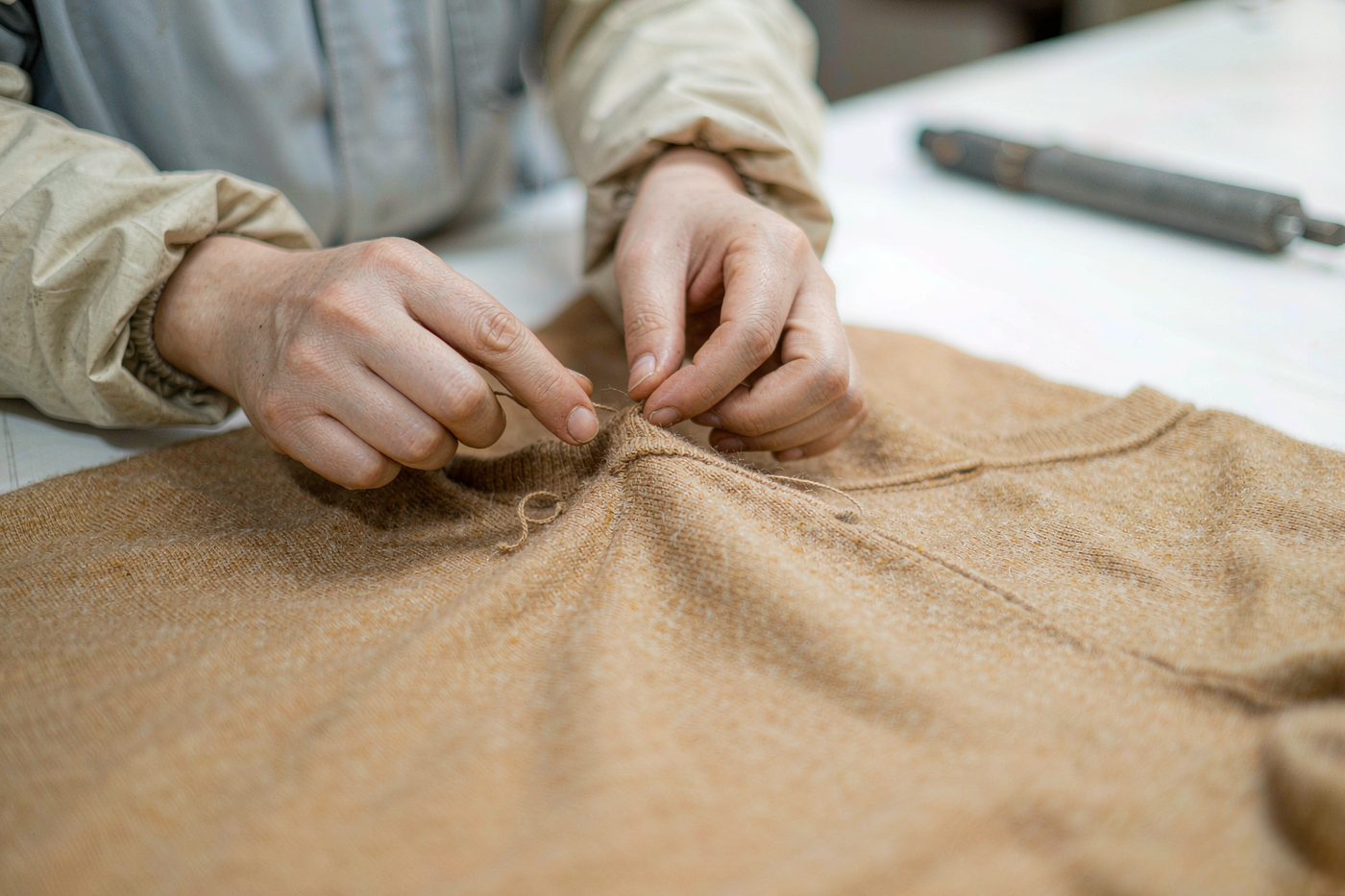
Questions that separate a low-MOQ factory from a reseller

FAQ
What is a realistic minimum for a cashmere sweater order?
Is the MOQ per style or per colour?
Can I really order fewer than 50 pieces?
Why is the per-piece figure higher on a small order?
Will a reorder match the first delivery's shade?